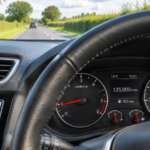
When buying a used car, mileage is often one of the first things people check. But is a high mileage car necessarily a bad purchase? A vehicle with fewer miles might seem like the obvious choice, but higher mileage doesn’t always mean a car is unreliable or nearing the end of its life.
Modern vehicles can cover considerable distances when properly maintained, and a well-looked-after car with 100,000 miles could be a better purchase than a neglected vehicle with half that mileage.
Understanding what counts as high mileage, how it affects a car’s value and what to check before buying can help you make a more informed decision.
What Is Considered a High Mileage Car?
There isn’t a fixed mileage at which a car becomes too old or unreliable. However, vehicles exceeding 100,000 miles are often described as high-mileage cars in the used car market.
When evaluating a high mileage car, it’s important to consider the vehicle’s age, service history and overall condition.
For example, a five-year-old car with 80,000 miles has covered considerably more distance each year than a ten-year-old vehicle with the same mileage.
As a rough guide, the following figures can help you understand how mileage compares with a vehicle’s age.
Vehicle Age
Example Mileage
3 years
21,000 miles
5 years
35,000 miles
7 years
49,000 miles
10 years
70,000 miles
12 years
84,000 miles
These examples assume approximately 7,000 miles per year and are intended as a comparison rather than a recommended limit. Individual driving habits can vary considerably.
Is 100,000 Miles Too Much for a Used Car?
Not necessarily. A high mileage car with 100,000 miles can still have plenty of useful life remaining, particularly if it has been serviced regularly and maintained according to the manufacturer’s recommendations.
The important consideration is how those miles were accumulated and whether the vehicle has received appropriate maintenance.
Before ruling out a high-mileage vehicle, consider:
Service history: Has the vehicle received regular servicing?
Previous maintenance: Have important components been repaired or replaced when necessary?
Driving conditions: Has the vehicle mainly covered motorway journeys or short urban trips?
Vehicle condition: Does the interior, exterior and mechanical condition reflect careful ownership?
MOT history: Are there recurring problems or unresolved advisories?
A well-maintained car with higher mileage can sometimes offer better value than a lower-mileage alternative with an uncertain history.
Does High Mileage Affect a Car’s Reliability?
Mileage can influence reliability because mechanical components experience wear as a vehicle is driven.
However, the relationship between mileage and reliability isn’t always straightforward. A high mileage car that receives regular maintenance may remain dependable for many years.
1. Engine Condition
Regular oil changes, appropriate servicing and correct maintenance can help an engine remain in good condition for many years.
A high-mileage engine that has been properly looked after may perform better than a lower-mileage engine that has frequently missed its scheduled servicing.
Check for unusual noises, excessive exhaust smoke, fluid leaks and signs of overheating.
2. Gearbox and Clutch
Manual gearboxes and clutches can experience wear over time, particularly in vehicles frequently driven in heavy traffic.
Automatic gearboxes may also require specific maintenance, including transmission fluid changes where recommended by the manufacturer.
During a test drive, pay attention to how smoothly the vehicle changes gears and whether there are any unusual noises or vibrations.
3. Suspension and Steering
Suspension components, steering joints and bushes can wear as mileage increases.
Signs of potential problems include knocking noises, uneven tyre wear or excessive movement when driving over uneven surfaces.
A professional inspection can help identify worn components before you purchase a high mileage car.
4. Timing Belt and Other Maintenance Items
Some engines use timing belts that must be replaced at specified mileage or age intervals.
Failure to replace a timing belt when required can result in serious engine damage.
Check the manufacturer’s recommended maintenance schedule and ask for evidence of any work already completed.
Motorway Miles vs City Miles: Which Is Better?
Not all mileage places the same demands on a vehicle.
A high mileage car used primarily for long motorway journeys may experience fewer repeated stops, cold starts and gear changes than one regularly driven in congested city traffic.
Motorway driving can also allow the engine to operate at a consistent temperature for longer periods.
However, this doesn’t mean motorway mileage is always preferable. Driving style, road conditions and maintenance still play important roles.
When comparing two vehicles with similar mileage, focus on their individual condition and service history rather than relying entirely on how they were driven.
What Are the Advantages of Buying a High Mileage Car?
A high mileage car can offer several advantages, particularly for buyers working with a limited budget.
Lower Purchase Price
Cars with higher mileage are generally advertised at lower prices than comparable models with fewer miles.
This can allow buyers to purchase a newer vehicle or a higher specification model for less money.
More Choice Within Your Budget
Considering vehicles with higher mileage can increase the number of available options.
Rather than focusing exclusively on low-mileage cars, you may find a well-maintained example with better equipment or a more complete service history.
Potentially Better Value
A high mileage car with documented maintenance and a reasonable asking price can represent good value.
However, potential repair costs should always be considered before making a decision.
What Are the Disadvantages of Buying a High Mileage Car?
Although higher-mileage cars can be good purchases, there are some potential disadvantages to consider.
Greater wear: Mechanical components may be approaching the end of their service life.
Maintenance costs: Some major repairs may become necessary as mileage increases.
Resale value: Higher mileage can make a vehicle less attractive to future buyers.
Unexpected repairs: Older components may fail even when the vehicle has been maintained correctly.
Limited warranty options: Some warranty providers apply mileage restrictions or exclusions.
It’s worth keeping some money aside for maintenance and unexpected repairs, particularly when buying an older vehicle.
How to Check a High Mileage Car Before Buying
If you’re considering a high mileage car with 100,000 miles or more, carrying out a few additional checks can help you assess its condition.
1. Review the Service History
Ask to see the vehicle’s service records, including invoices for previous repairs and maintenance.
Look for evidence of regular oil changes, replacement filters and any major work recommended by the manufacturer.
A complete service history can offer reassurance that the vehicle has been properly maintained.
For older or higher-mileage vehicles, an independent mechanical inspection may be worthwhile.
A qualified mechanic can help identify potential problems that aren’t immediately obvious during a viewing.
The cost of an inspection could help you avoid more expensive repairs after purchasing the car.
Is Low Mileage Always Better?
Not necessarily. Although low mileage can be appealing, cars that are rarely driven can experience their own maintenance problems.
Vehicles left standing for extended periods may develop flat batteries, deteriorating tyres, sticking brakes and other age-related issues.
Frequent short journeys can also prevent an engine from consistently reaching its normal operating temperature.
A properly maintained high mileage car may therefore be a better choice than a low-mileage vehicle that has spent long periods unused.
When choosing between vehicles, it’s important to consider the complete picture rather than focusing on the odometer alone.
Should You Buy a High Mileage Car?
Buying a high mileage car can be a sensible decision if the vehicle is in good condition, has a reliable maintenance history and is priced appropriately.
Before making your decision, consider how long you intend to keep the vehicle and how many miles you’re likely to drive each year.
If you cover considerable distances annually, purchasing a car that already has high mileage may mean reaching major maintenance intervals sooner.
On the other hand, if you only drive occasionally, a well-maintained higher-mileage car could provide affordable transport for several years.
The key is choosing a vehicle that suits your budget, driving requirements and expectations.
Final Thoughts
A high mileage car isn’t automatically a bad purchase. While 100,000 miles is often considered a significant milestone, many vehicles can continue providing reliable transport well beyond that figure.
Service history, maintenance, driving conditions and overall vehicle condition are often more useful indicators than mileage alone.
Before buying, take time to check the vehicle’s history, inspect its condition and consider any potential maintenance costs.
If you’re searching for your next vehicle, browse the latest used cars for sale on MotorHype and compare available options to find a car that meets your needs and budget.
MotorHype is a UK vehicle marketplace connecting buyers with private sellers and dealerships. Browse used cars, vans and motorbikes, or advertise your vehicle for free.
To provide the best experiences, we use technologies like cookies to store and/or access device information. Consenting to these technologies will allow us to process data such as browsing behaviour or unique IDs on this site. Not consenting or withdrawing consent, may adversely affect certain features and functions.
Functional
Always active
The technical storage or access is strictly necessary for the legitimate purpose of enabling the use of a specific service explicitly requested by the subscriber or user, or for the sole purpose of carrying out the transmission of a communication over an electronic communications network.
Preferences
The technical storage or access is necessary for the legitimate purpose of storing preferences that are not requested by the subscriber or user.
Statistics
The technical storage or access that is used exclusively for statistical purposes.The technical storage or access that is used exclusively for anonymous statistical purposes. Without a subpoena, voluntary compliance on the part of your Internet Service Provider, or additional records from a third party, information stored or retrieved for this purpose alone cannot usually be used to identify you.
Marketing
The technical storage or access is required to create user profiles to send advertising, or to track the user on a website or across several websites for similar marketing purposes.