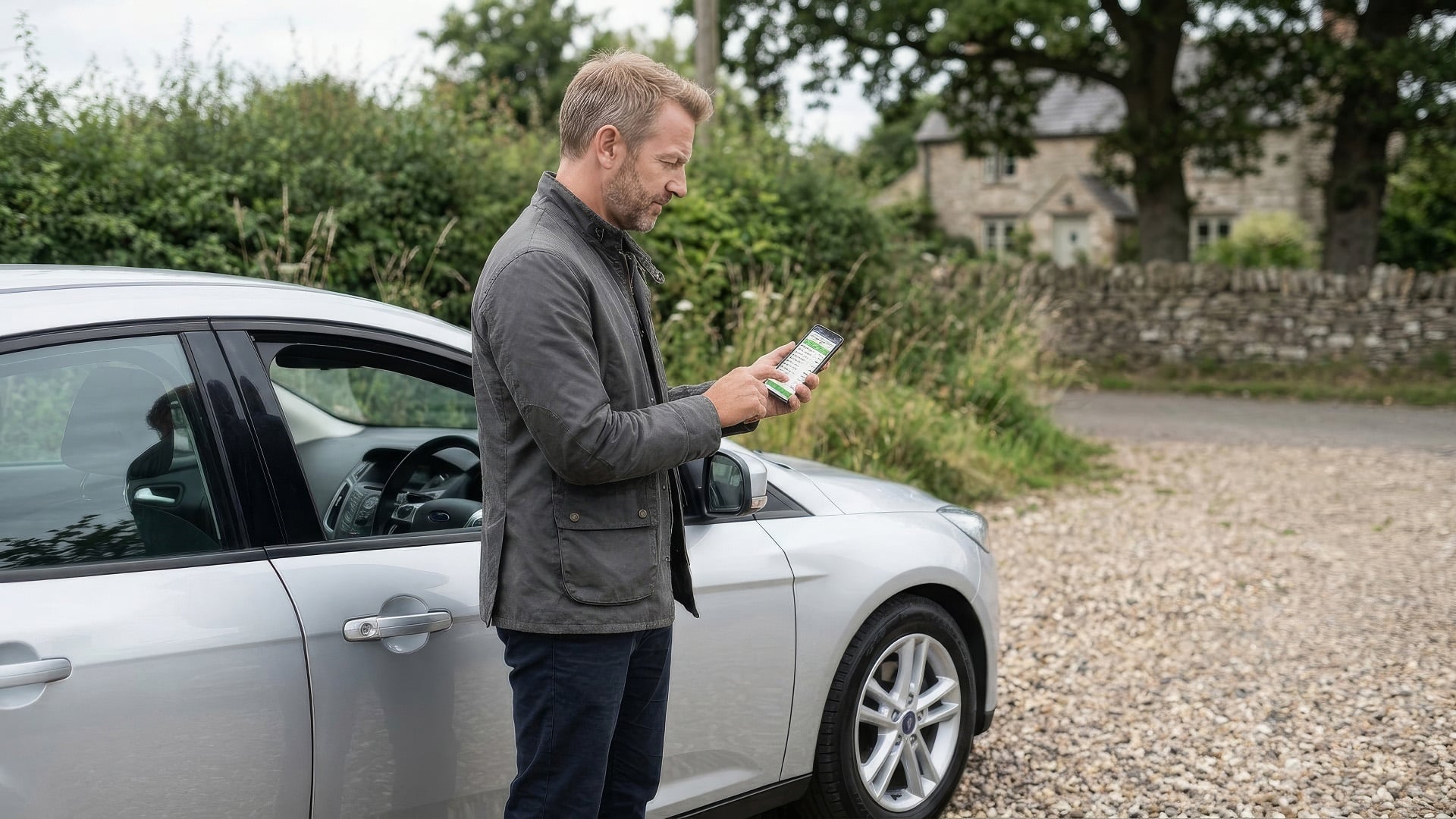
Before buying a second-hand vehicle, it’s important to check used car outstanding finance and find out whether money is still owed on it. A car with outstanding finance can create serious problems for a buyer, even when the seller appears genuine and the vehicle looks to be in good condition.
The best way to check used car outstanding finance is to use a vehicle history checking service that includes finance records. This can help you identify potential issues before committing to a purchase.
In this guide, we’ll explain how to check used car outstanding finance in the UK, what a vehicle history report can reveal and what to do if finance is still recorded against the vehicle.
Knowing how to check used car outstanding finance can help you spot potential problems before committing to a purchase.
How to Check Used Car Outstanding Finance
If you’re planning to buy a second-hand vehicle, it’s worth taking the time to check used car outstanding finance before paying a deposit or agreeing to the purchase. Follow these steps to understand what to look for and how to investigate any potential issues.
1. Get the Vehicle’s Registration Number
Start by asking the seller for the vehicle’s registration number. You can use it to obtain a history report before arranging a viewing.
Compare the registration number with the number plates and the vehicle details shown on the V5C registration certificate. Where available, check the vehicle identification number (VIN) as well to help confirm that the report relates to the correct car.
2. Carry Out a Vehicle History Check
A vehicle history check can help you check used car outstanding finance and identify other records that could affect your decision.
You can use a car history check service to find out more about a vehicle’s history before buying, including whether outstanding finance or other potential issues are recorded.
Depending on the provider and report selected, a vehicle history check may include:
- Outstanding finance recorded against the vehicle.
- Whether the vehicle has been reported stolen.
- Insurance write-off records.
- Mileage discrepancies.
- Vehicle identity and registration details.
- Other available vehicle history information.
Not every report includes the same checks, so review the provider’s coverage before purchasing.
3. Understand the Finance Check Results
When you check used car outstanding finance, read the report carefully rather than simply looking for a pass or fail result.
If the report identifies outstanding finance, contact the seller and ask for an explanation. The finance agreement may still be active, or the record may need further investigation.
If the seller claims the finance has already been settled, ask for evidence and contact the finance company to confirm the position. Don’t rely solely on verbal assurances.
A vehicle history report is a useful starting point, but you should resolve any finance alerts or inconsistencies before proceeding with the purchase.
4. Confirm That Any Finance Has Been Settled
If the seller has outstanding finance, ask them to contact the finance company and obtain a settlement figure.
Always check used car outstanding finance before agreeing to buy, even if the vehicle appears to be in excellent condition.
Before proceeding, establish how the balance will be paid and obtain written confirmation of the arrangements. Where appropriate, verify directly with the finance company that the proposed settlement process will clear its interest in the vehicle.
Don’t assume that the finance company will automatically remove its interest after a private sale. If the seller refuses to cooperate or the arrangements remain unclear, it is generally safer to walk away.
Why You Should Check Used Car Outstanding Finance
Checking a vehicle’s finance status is important because the seller may not have full ownership rights while a finance agreement remains active.
With certain agreements, such as hire purchase and personal contract purchase (PCP), the finance company may retain an interest in the vehicle until the agreement has been settled and the relevant ownership conditions have been met.
Buying a car without checking its finance status could leave you facing a dispute with the finance company or potentially losing the vehicle.
The legal position depends on the type of agreement and the circumstances of the sale. Some private buyers may have legal protection in particular circumstances, but this is not guaranteed in every case.
For further information, read Citizens Advice’s guidance on buying a car that is still on hire purchase.
Can You Buy a Car With Outstanding Finance?
It may be possible to buy a car with outstanding finance, but you should not proceed until the arrangements have been properly verified.
A safer transaction normally involves the seller obtaining a settlement figure from the finance company and arranging for the outstanding balance to be paid as part of the sale. Any remaining sale proceeds can then be paid to the seller.
Before agreeing to the purchase:
- Confirm the outstanding balance directly with the finance company.
- Establish how the finance will be settled.
- Get the settlement arrangements in writing.
- Verify what confirmation the finance company will provide once the agreement has been settled.
- Keep records of the transaction and any settlement documents.
If you check used car outstanding finance and discover an unresolved agreement, don’t rush into buying the vehicle. Resolve the issue first, or consider another car.
How Much Does a Used Car Finance Check Cost?
The cost of checking a vehicle depends on the provider and the level of information included in the report. Some basic checks may be free, while more comprehensive reports generally cost more.
Before paying, confirm that the report specifically includes an outstanding finance check. A basic vehicle information search or MOT history check is not a substitute for a dedicated finance check.
You can explore available options using a car history check service to find a report that suits your needs.
Other Checks to Make Before Buying a Used Car
Checking finance is only one part of buying a second-hand vehicle. Once you check used car outstanding finance, carry out other checks to help you make a more informed decision.
Check the MOT History
Review previous MOT results, advisories and recorded mileage using the official GOV.UK MOT history service. Look for unusual mileage changes and recurring mechanical issues.
Verify the Vehicle Details
Use the official GOV.UK vehicle information service to check available details such as tax status, engine size and registration information.
Inspect the Car and Take a Test Drive
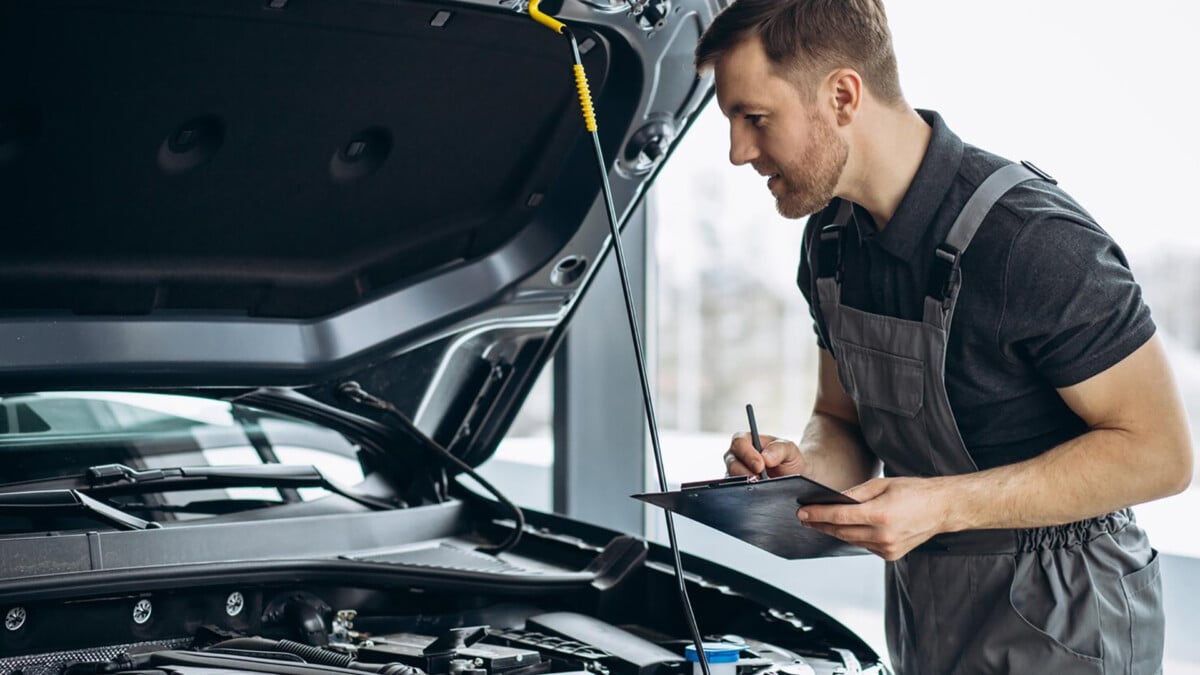
Check the bodywork, tyres, interior and engine bay for signs of damage, neglect or inconsistent wear. During a test drive, look for warning lights, unusual noises and anything that suggests a mechanical problem.
Check the Paperwork
Compare the V5C registration certificate with the vehicle and the seller’s details. Make sure the information is consistent and ask questions if anything doesn’t match.
For more help, read our guides on how to buy a used car safely and used car paperwork.
Once you’ve completed your checks and are ready to buy, browse the used cars for sale on MotorHype to explore vehicles currently listed on the marketplace.
Final Thoughts
Taking the time to check used car outstanding finance before buying can help you avoid serious problems and make a more informed decision.
Use a vehicle history report, investigate any finance alerts and confirm the position with the relevant finance company before proceeding. Combine this with MOT history checks, a physical inspection and a review of the paperwork.
Never feel pressured into buying a car before you’ve completed your checks. If the seller cannot explain an outstanding finance record or refuses to cooperate, consider walking away and finding another vehicle.