Knowing how to buy a used car safely can make finding your next vehicle much easier. A private purchase can offer good value and plenty of choice, but it’s important to research the car, inspect it properly and check its history and paperwork before handing over your money.
Taking your time can help you avoid buying a car with hidden problems or unexpected costs. From checking the V5C and MOT history to arranging insurance and making a secure payment, there are several important steps to follow.
If you’re searching for your next vehicle, you can browse used cars on MotorHype and compare cars currently advertised for sale.
Research Before Buying a Used Car
The first step in understanding how to buy a used car safely is doing some research before arranging a viewing.
Think about what you need from the car and which makes and models suit your budget and intended use. Consider factors such as size, fuel type, running costs, insurance and practicality.
Compare several examples of the cars you’re interested in and look at differences in age, mileage, specification, condition and asking price.
Researching typical prices can also help you recognise a car that appears unusually cheap. A low price isn’t automatically suspicious, but it can be a reason to investigate the vehicle more carefully.
Check the Car’s Mileage
Mileage is another consideration when working out how to buy a used car safely.
Lower mileage doesn’t automatically make one used car better than another. A well-maintained higher-mileage car could be a better purchase than a lower-mileage example that has been neglected or mainly used for short journeys.
Consider mileage alongside the car’s age, condition, service history and previous MOT records.
Look for signs of wear that don’t appear consistent with the displayed mileage. Previous MOT records and service invoices can help you build a clearer picture of how the car has been used.
View the Car in Person
An important part of how to buy a used car safely is inspecting the vehicle in person before agreeing to buy.
For a private sale, viewing the car at the seller’s home address can make it easier to compare their details with the V5C registration certificate.
For personal safety, consider taking a friend or family member with you, particularly if you’re meeting somebody you don’t know. Someone with good mechanical knowledge can also be useful when inspecting the vehicle.
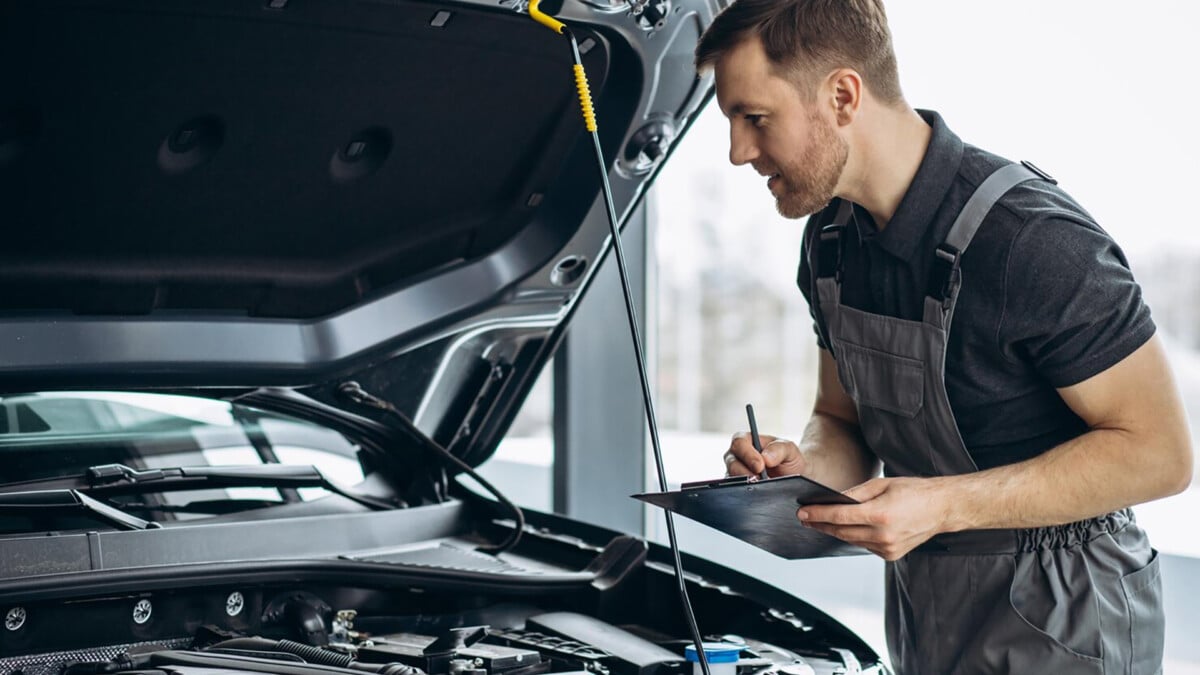
Check the bodywork for dents, scratches, corrosion, inconsistent paintwork and signs of previous repairs. Look at the tyres, lights, windows and interior, and check that the equipment and controls work correctly.
If possible, inspect the car during daylight and when the bodywork is dry, as poor light and rain can make some cosmetic problems more difficult to spot.
Ask the Seller Questions
Knowing what to ask is an important part of how to buy a used car safely.
Ask how long the seller has owned the car, why they’re selling it and how it has been used. Find out when it was last serviced and whether any significant repairs or maintenance have recently been completed.
You can also ask about previous damage, modifications, replacement parts and any known mechanical or electrical problems.
Don’t expect the owner of an older car to remember every detail, but inconsistent or evasive answers should give you a reason to investigate further.
Check the V5C Logbook
Knowing how to buy a used car safely includes checking the original V5C registration certificate against the vehicle.
Check the registration number, make, model and Vehicle Identification Number (VIN). The information should correspond with the car you’re viewing.
The V5C records the registered keeper, but it is not proof of legal ownership.
When buying privately, compare the keeper’s details with the seller and the address where you’re viewing the car. A difference isn’t automatically evidence of wrongdoing, but you should understand why the information doesn’t match before proceeding.
You can check the official GOV.UK guidance on V5C registration certificates for more information.
Avoid taking photographs or copies of unnecessary personal identification belonging to the seller. Concentrate instead on verifying the car and its official documentation.
For a complete breakdown of the documents to check, read our guide to used car paperwork.
Check the Service and MOT History
Checking its maintenance records is another important part of how to buy a used car safely.
Ask for any available service records, maintenance invoices and receipts. These can help you understand how well the car has been maintained and whether important work has been completed.
You can check the car’s MOT history online using the official GOV.UK MOT history service.
Look at previous MOT results, recorded mileage, failures and advisories. Repeated advisories or a pattern of similar faults may indicate maintenance that could be required after you buy the car.
Knowing how to buy a used car safely doesn’t mean automatically rejecting a vehicle because some old service paperwork is missing. Instead, consider the records alongside its age, condition, mileage and MOT history.
Check How Many Car Keys There Are
When considering how to buy a used car safely, checking the keys may seem like a small detail, but replacement keys for modern cars can be expensive.
Make sure the main key works correctly with the doors, ignition and remote locking system where fitted. Ask whether the seller has a spare key and check that it works too.
If the car only comes with one key, you may want to factor the cost of obtaining and programming another into your budget.
Also check that keyless entry, push-button starting and any other key-related features work correctly where fitted.
Take the Car for a Test Drive
A proper test drive is a valuable part of understanding how to buy a used car safely.
The seller may want to see evidence that you’re appropriately licensed and insured before allowing you to drive the vehicle. Some private sellers may also refuse test drives or request reasonable security because of the risk of theft.
Never assume your existing car insurance automatically covers you to drive another car.
If a test drive is agreed, make sure you’re legally licensed and properly insured before driving on a public road. You can compare car insurance or find temporary car insurance if you need short-term cover.
During the drive, pay attention to the clutch where applicable, gearbox, brakes, steering, suspension and engine. Listen for unusual noises and check that the car accelerates, brakes and changes gear smoothly.
Try different types of road where practical so you can assess how the car behaves at different speeds and whether you’re comfortable driving it.
For more things to look for behind the wheel, read our guide on how to test drive a used car.
Carry Out a Car History Check
Knowing how to buy a used car safely also means checking for history that isn’t obvious from inspecting the vehicle.
Before committing to the purchase, consider getting a car history check and compare the information with the car, V5C and what the seller has told you.
If you discover inconsistencies relating to the vehicle’s identity or history, investigate them before paying.
A history check should form part of your overall buying process rather than replacing a physical inspection, documentation checks or mechanical assessment.
Consider Car Finance
Part of knowing how to buy a used car safely is deciding how much you can comfortably afford.
Look beyond the monthly payment and consider the total amount repayable, interest, fees and length of the finance agreement.
You can compare car finance options if you’re considering funding your purchase.
Remember to include insurance, tax, servicing, tyres, fuel and potential repairs when calculating your overall budget.
Make the Payment Safely
Payment is one of the most important stages when considering how to buy a used car safely.
Don’t transfer money simply because a seller is pressuring you to complete the deal quickly. Make sure you’re satisfied with the car, seller, documentation and agreed price first.
Bank transfer is a common way to pay for a privately purchased car because it provides an electronic record of the transaction. Check your bank’s transfer limits beforehand if you’re buying a higher-value vehicle.
The seller should confirm that the money has actually arrived in their account rather than relying on screenshots or payment confirmations alone.
Cash can also be used, but carrying a large amount creates additional security risks.
For more detail, read our guide on how to pay for a used car safely.
Whatever payment method you choose, get a written receipt showing details such as the buyer, seller, car, registration number, agreed price and date of sale.
Complete the Change of Keeper
Knowing how to buy a used car safely also includes completing the change of keeper correctly.
The seller can normally notify the DVLA online that they’ve sold the car. They should give you the green ‘new keeper’ slip from the V5C, and the DVLA will then send you a new V5C in your name.
The V5C records the registered keeper rather than proving legal ownership of the vehicle.
You can find the official process in the GOV.UK guidance for buying and registering a used vehicle.
Remember that vehicle tax does not transfer with the car. You’ll need to tax it yourself and have suitable insurance before driving it on a public road.
Final Checks Before Buying
Understanding how to buy a used car safely comes down to checking the vehicle, its history, its paperwork and the seller before you commit your money.
To know how to buy a used car safely, research the model, inspect the vehicle, check its history and take an insured test drive where possible.
Knowing how to buy a used car safely also means being prepared to walk away if something doesn’t add up. There will always be other used cars available, and taking your time can help you avoid an expensive mistake.