Buying a used car can be a great way to save money, but it is important to check the vehicle carefully before committing to a purchase. Knowing how to test drive a used car properly can help you identify potential problems that may not be obvious from looking at the car alone.
A test drive is more than simply taking the car around the block. You should use the opportunity to assess the engine, gearbox, clutch, brakes, steering, suspension, tyres and general condition of the vehicle.
Before arranging a test drive, you can also browse the used cars available on MotorHype to compare vehicles and find one that suits your needs.
What to Check Before a Test Drive
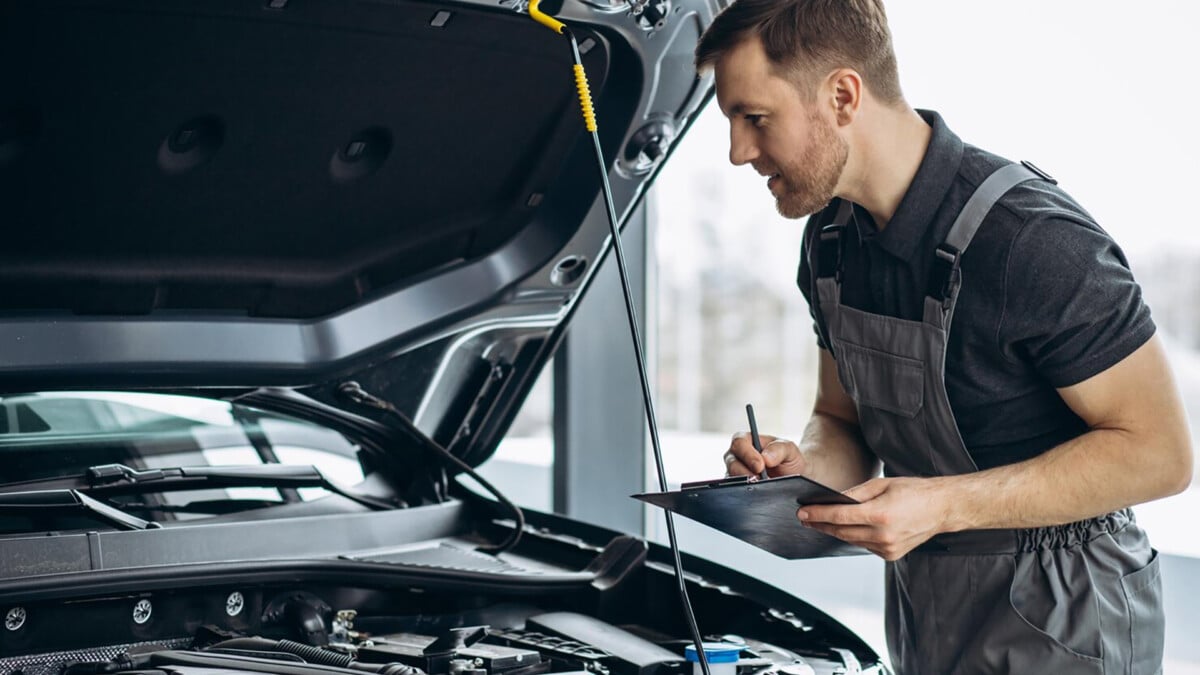
Before you start driving, spend a few minutes looking around the vehicle. This is an important part of how to test drive a used car because some issues can be spotted before the engine is even started.
Check the bodywork for dents, scratches, mismatched paint and signs of previous repairs. Look underneath the vehicle for obvious leaks or damage, and make sure the tyres appear correctly inflated.
If the seller has recently washed the engine bay, ask why. An unusually clean engine bay can sometimes make it harder to spot existing oil or coolant leaks.
You should also check that the mileage displayed on the dashboard appears consistent with the vehicle’s age and condition.
Check the Tyres
Tyres are one of the most important safety checks when learning how to test drive a used car.
Look at the tread across each tyre and check for uneven wear, cracks, bulges or other damage. For most cars, the legal minimum tread depth is 1.6mm across the central three-quarters of the tread and around the entire circumference of the tyre.
Uneven wear can indicate problems with wheel alignment, suspension or steering components, so do not ignore it.
Check the spare wheel, space-saver or tyre repair kit as well, if fitted.
Check the Lights and Controls
Turn on the headlights, indicators, brake lights, fog lights and hazard warning lights. Check that all dashboard warning lights behave as expected when the ignition is switched on and after the engine starts.
Test the windscreen wipers, washers, electric windows, mirrors, heating and air conditioning. If the car has parking sensors, a reversing camera or other driver-assistance systems, check those too.
These checks may seem minor, but they are an important part of how to test drive a used car, as fixing several small electrical faults can become expensive.
Check the Interior and Practicality
Before driving away, sit in every seat you are likely to use regularly. Check that the seats are comfortable and that you have enough headroom and legroom.
If you are buying a family car, check the rear seats, boot space and access. Make sure child-seat mounting points are present if you need them.
Knowing how to test drive a used car isn’t just about mechanical condition. The vehicle also needs to be practical and comfortable for your everyday use.
Check the boot, storage compartments and any folding seats. If you regularly carry large items, take measurements or test the space before buying.
Check the Mileage and Vehicle History
The mileage should be considered alongside the vehicle’s age, condition and service history rather than viewed in isolation.
Ask the seller about servicing and maintenance and look for supporting invoices or records where available.
You should also check the vehicle’s MOT history through GOV.UK. This can show previous MOT results, recorded mileages, failures and advisories.
A careful approach to how to test drive a used car includes checking that the vehicle’s history makes sense before you concentrate on its driving characteristics.
Check the V5C Log Book
Ask to see the vehicle’s V5C log book before completing the purchase. Check that the registration number, make, model, colour and other details correspond with the car.
The V5C identifies the registered keeper; it is not proof of ownership. GOV.UK advises buyers not to purchase a vehicle without the V5C.
You should also make sure the VIN shown on the vehicle matches the relevant documentation.
Check the MOT
Check the vehicle’s current MOT status before driving it. You can use the GOV.UK MOT status checker to confirm whether the vehicle currently has an MOT.
The MOT history can also reveal recurring advisories or failures that may indicate areas requiring further investigation.
If the MOT is due soon, ask the seller whether they intend to have the vehicle tested before the sale.
Check Your Insurance Before Driving
Insurance is an essential part of knowing how to test drive a used car safely.
Do not assume that your existing car insurance automatically allows you to drive another vehicle. Cover varies between policies and may have restrictions, including third-party-only cover or exclusions.
Ask the seller whether the vehicle is insured for demonstration drives and confirm what cover applies before getting behind the wheel.
If you need cover to drive a vehicle you are considering buying, you can compare car insurance or look at temporary car insurance options.
Never drive an uninsured vehicle on public roads.
Start the Engine From Cold
If possible, arrange to see the car while the engine is cold. A cold start can reveal problems that may be less noticeable once the engine has warmed up.
Ask the seller not to start the car before you arrive if you specifically want to assess the cold start.
Listen for unusual rattles, knocking, excessive ticking or other abnormal noises. Watch for excessive smoke from the exhaust and check that warning lights go out appropriately once the engine is running.
When learning how to test drive a used car, a cold start can be one of the most useful parts of the inspection.
Test the Steering
Once you begin driving, pay attention to how the steering feels.
The car should generally track straight on a reasonably level road without constantly pulling to one side. Excessive vibration through the steering wheel can indicate issues with the wheels, tyres, suspension or steering.
Test the steering at low speeds as well. Listen for knocking or unusual noises when turning and pay attention to how the steering feels during parking manoeuvres.
When learning how to test drive a used car, don’t concentrate so heavily on acceleration that you overlook how the vehicle responds through corners and during slower manoeuvres.
Test the Gearbox and Clutch
If the car has a manual gearbox, check that the clutch engages smoothly and that the gears can be selected without excessive resistance or grinding.
Pay attention to where the clutch bites. A very high bite point can sometimes indicate clutch wear, although this varies between vehicles.
If the car has an automatic gearbox, changes should generally feel smooth and predictable. Some gearboxes naturally have different characteristics, so compare how the vehicle behaves with information about that particular model.
If you’re learning how to test drive a used car, try the gearbox under different conditions rather than only driving in a straight line.
Test the Brakes
Brakes should feel progressive and predictable. Test them at an appropriate speed and in a safe location where doing so is legal and does not put other road users at risk.
The car should generally remain stable under braking and should not pull strongly to one side.
Listen for grinding, squealing or other unusual noises and pay attention to vibrations through the steering wheel or brake pedal.
A key part of how to test drive a used car is making sure the brakes feel safe and consistent throughout the drive.
Do not deliberately perform an emergency stop on a public road simply to test the brakes. If you have concerns about braking performance, have the vehicle professionally inspected.
Listen for Suspension and Road Noise
Drive over different types of road surface where it is safe to do so.
Listen for knocking, rattling or clunking noises from the suspension. A persistent noise over bumps could indicate worn suspension components or another mechanical problem.
Also pay attention to excessive road noise, wheel bearing noises and vibrations.
Knowing how to test drive a used car means using your hearing as well as your other senses. Sometimes a noise is easier to identify than a problem is to see.
Test the Car at Different Speeds
If possible, drive the vehicle at a mixture of urban and higher-speed roads.
At lower speeds, concentrate on the clutch, gearbox, steering, suspension and general manoeuvrability. At higher speeds, pay attention to stability, steering, engine response, braking and unusual vibrations.
This is an important part of knowing how to test drive a used car because some faults may only become noticeable when the vehicle is travelling faster.
Do not exceed speed limits or drive in a way that puts yourself or others at risk simply to test the vehicle.
Try Parking and Manoeuvring
Parking gives you another opportunity to assess the vehicle.
Try reversing, turning at low speed and manoeuvring into a suitable parking space. Check the steering, clutch, gearbox and visibility.
If the vehicle has parking sensors or a reversing camera, make sure they work correctly.
This is another useful part of learning how to test drive a used car because it allows you to assess how easy the vehicle will be to live with on a daily basis.
Don’t Rush the Test Drive
Take enough time to properly assess the vehicle. If a seller is pressuring you to make a quick decision, consider this a warning sign.
A good test drive should give you enough time to understand how the vehicle behaves in different situations.
Knowing how to test drive a used car properly means being willing to walk away if something doesn’t feel right.
You should never feel pressured into buying simply because you have already travelled to view the car.
Should I Get a Vehicle History Check?
A vehicle history check can provide additional information that may not be available from a visual inspection or MOT history.
Depending on the service used, a vehicle check may identify issues such as outstanding finance, previous insurance write-offs, stolen vehicle records, mileage discrepancies or other recorded information.
Depending on the service used, a vehicle history check may identify issues such as outstanding finance, previous insurance write-offs, stolen vehicle records, mileage discrepancies or other recorded information. You can use a reputable vehicle history check service to investigate a vehicle before buying it, and MotorHype can help you find a suitable car check option.
For anyone researching how to test drive a used car, combining a physical inspection and test drive with a vehicle history check gives you a much more complete picture.
What to Do After the Test Drive
Once you have finished driving, take a few minutes to think about how to test drive a used car properly and what you experienced.
Check underneath the vehicle again for any fresh leaks and look at the engine bay for signs of fluids or other problems.
If you noticed anything unusual during the drive, ask the seller about it. Do not accept vague explanations for potentially serious mechanical problems without further investigation.
If you are unsure about the condition of the car, consider having an independent mechanic inspect it before you agree to buy.
If everything looks satisfactory, compare the vehicle with similar used cars on MotorHype before making your final decision.
How to Test Drive a Used Car: Final Checklist
Knowing how to test drive a used car properly can help you avoid buying a vehicle with expensive problems.
Before making an offer, make sure you have:
- Checked the bodywork and signs of previous repairs
- Inspected the tyres for damage and uneven wear
- Tested the lights and electrical equipment
- Checked the interior and practicality
- Checked the mileage and service history
- Seen the V5C log book
- Checked the MOT status and history
- Confirmed appropriate insurance
- Started the engine from cold where possible
- Tested the steering
- Checked the clutch and gearbox
- Tested the brakes safely
- Listened for suspension and other unusual noises
- Driven on different types of road where possible
- Tried parking and low-speed manoeuvres
- Considered a vehicle history check
If you’re still wondering how to test drive a used car, the most important thing is not to rush. Take your time, listen carefully to the vehicle and investigate anything that doesn’t seem right.
The more thorough you are when learning how to test drive a used car, the better chance you have of spotting problems before handing over your money.