Fuel prices can make up a significant part of the cost of running a car, so finding ways to use less fuel can save you money. Fuel-efficient driving can also reduce the amount of CO2 your vehicle produces and help reduce unnecessary wear on components such as the brakes and tyres.
You do not necessarily need to buy a new car to improve your fuel economy. Small changes to the way you drive, together with regular maintenance and a few simple checks, can make a noticeable difference.
Whether you drive a petrol, diesel or hybrid car, these fuel-efficient driving tips can help you get more miles from every tank.
Check your tyre pressures
One of the easiest ways to improve fuel economy is to make sure your tyres are inflated to the correct pressures.
Under-inflated tyres increase rolling resistance, meaning the engine has to work harder to move the car. This can increase fuel consumption and also affect handling and tyre wear.
Check your recommended tyre pressures in the vehicle handbook or on the manufacturer’s information label, which is often found inside the driver’s door frame or fuel filler flap.
Remember that the recommended pressures can change depending on how heavily the car is loaded. Check the pressures before a long journey and make regular checks as part of your normal car maintenance routine.
Correct tyre pressures are one of the simplest ways to improve fuel economy, making them an important part of effective fuel-efficient driving.
The RAC recommends checking tyre pressures regularly and ensuring they are set according to the manufacturer’s recommendations.
Drive smoothly
One of the most effective fuel-efficient driving techniques is to avoid unnecessary acceleration and braking.
Looking further ahead allows you to anticipate what is happening on the road. If you can see that traffic is slowing down or a light is about to change, easing off the accelerator early can help you avoid unnecessary braking followed by another acceleration.
This does not mean driving unnecessarily slowly or holding up other road users. Instead, aim to make your inputs to the accelerator, brakes and steering as smooth as possible.
Hard acceleration requires more fuel, while repeatedly braking and accelerating wastes energy that your car has already used to build up speed.
Smooth acceleration and anticipation are at the heart of good fuel-efficient driving.
The AA recommends gentle acceleration, steady speeds and anticipating the road ahead as part of economical driving.
Avoid excessive speed
Speed has a major effect on fuel consumption. As speed increases, aerodynamic drag increases significantly, meaning the engine has to work harder to keep the car moving.
Driving at a steady 60mph will generally use less fuel than travelling at 70mph, assuming all other conditions are similar. Increasing your speed further can increase consumption considerably.
This is one reason why fuel-efficient driving is not simply about how quickly you accelerate. Your cruising speed can have an equally important effect on how much fuel you use.
Keeping your speed under control is another important part of fuel-efficient driving, particularly on longer journeys.
Always stay within the legal speed limit and adjust your speed appropriately for the road, traffic and weather conditions.
Use the highest appropriate gear
If you drive a manual car, selecting the highest appropriate gear can help reduce engine speed and improve fuel economy.
Once you have reached your desired speed, changing up through the gears can allow the engine to run at lower revs. However, you should avoid using a gear that is too high for the conditions, as making the engine labour can be counterproductive and may affect the car’s response.
Automatic and hybrid vehicles manage gear selection differently, but smooth inputs and avoiding unnecessary acceleration can still help improve efficiency.
Using the right gear at the right time is an important part of fuel-efficient driving, particularly when travelling at a steady speed.
The RAC’s fuel-saving guidance recommends using the highest suitable gear while staying within the speed limit and avoiding excessively high or low engine speeds.
Avoid unnecessary idling
Leaving your engine running while the car is stationary wastes fuel.
If you are waiting for someone, parked outside a shop or stopped somewhere for a prolonged period, consider whether you actually need the engine running.
Modern cars with stop-start systems are designed to automatically switch the engine off when appropriate. If your car has this feature, allowing it to operate normally can help reduce fuel use in traffic and during stops.
You should always follow the manufacturer’s guidance and use common sense, particularly in situations where keeping the engine running is necessary for safety or to maintain visibility.
Avoiding unnecessary idling is a simple part of fuel-efficient driving and can add up to worthwhile savings over time.
If you regularly spend time in traffic or waiting in the car, reducing unnecessary idling can make a noticeable difference to your fuel-efficient driving habits.
Remove unnecessary weight
The heavier your car is, the more energy it takes to accelerate it.
You do not need to empty your car completely, but it is worth removing heavy items from the boot if you are carrying things that you do not need.
Sports equipment, tools, luggage and other heavy items can all add unnecessary weight if they are left in the vehicle permanently.
If you regularly carry a large load that you rarely use, removing it could help your fuel economy as well as making the car easier to drive.
Reducing unnecessary weight is particularly useful for anyone trying to make fuel-efficient driving part of their everyday routine.
Remove roof bars and roof boxes when you are not using them
Roof bars and roof boxes create additional aerodynamic drag.
The effect becomes more noticeable as speed increases, particularly when travelling on motorways and dual carriageways. If you are not using your roof bars or roof box, removing them can reduce drag and help your car use less fuel.
The RAC highlights roof racks and roof boxes as factors that can increase fuel consumption.
If you are planning a holiday or long journey, only fit the equipment you actually need. Reducing aerodynamic drag is another simple way to make fuel-efficient driving more effective.
Use air conditioning sensibly
Air conditioning and climate control systems use energy, which can increase fuel consumption.
That does not mean you should avoid using your air conditioning altogether. Keeping the cabin at a comfortable temperature is important, particularly in hot weather, and modern climate-control systems are designed to operate efficiently.
However, if you are trying to maximise fuel economy, avoid running the system unnecessarily when conditions do not require it.
At lower speeds, opening the windows can sometimes use less fuel than running the air conditioning. At higher speeds, however, open windows increase aerodynamic drag, so the difference can become much smaller.
Used sensibly, air conditioning does not have to prevent you from achieving good fuel-efficient driving results.
The AA recommends using air conditioning wisely, particularly when comparing it with opening the windows.
Keep your car properly maintained
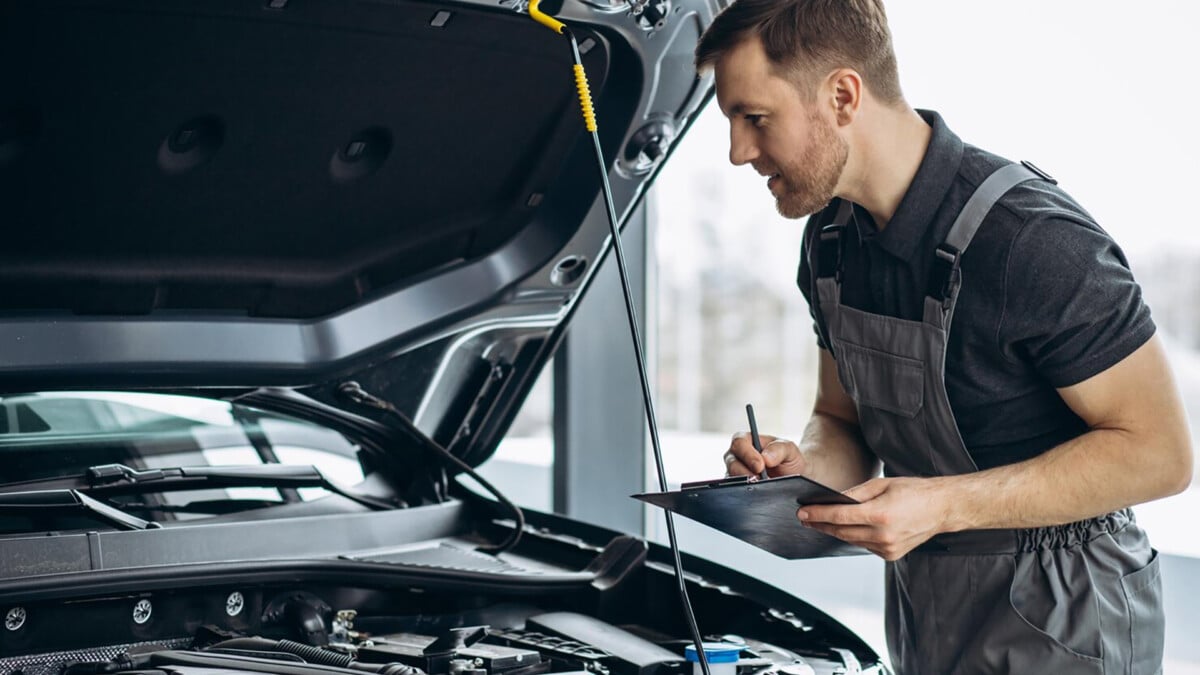
Regular servicing can help your vehicle continue operating efficiently.
A poorly maintained engine or a vehicle with a problem affecting its running can use more fuel than it should. Keeping up with servicing also gives you an opportunity to identify issues before they become more expensive repairs.
Oil, filters, tyres, brakes and other components all play a role in the condition of your vehicle.
Using the correct specification of engine oil is also important. Always follow the manufacturer’s recommendations rather than assuming that any engine oil will be suitable.
Good vehicle maintenance is an important part of fuel-efficient driving because an efficiently running car is less likely to waste fuel through avoidable mechanical problems.
The AA recommends regular servicing and using the correct engine oil specification as part of economical motoring.
Look after your tyres
Tyres have a direct effect on fuel economy because they are the only part of the vehicle in contact with the road.
In addition to checking tyre pressures, make sure your tyres are in good condition and have sufficient tread. Uneven wear can sometimes indicate an alignment or suspension problem, which should be investigated.
When you eventually need new tyres, you can also consider their rolling-resistance characteristics alongside factors such as wet grip, noise and price.
Fuel-efficient driving should never come at the expense of safety, so always choose tyres that are appropriate for your vehicle and driving conditions.
Plan your journeys
Combining several short trips into one journey can help reduce unnecessary fuel use.
Cold starts and short journeys can be particularly inefficient because the engine may not reach its normal operating temperature before you arrive at your destination.
If you have several errands to complete, planning them into a single route can reduce the total distance you travel.
You can also use route-planning apps to check for traffic and delays before setting off. A slightly longer route that keeps you moving may sometimes use less fuel than a shorter route involving heavy stop-start traffic.
Good journey planning is therefore another useful part of fuel-efficient driving.
Combining journeys and avoiding unnecessary detours can make your overall fuel-efficient driving strategy more effective.
Avoid unnecessary short journeys
Walking, cycling or public transport may be a better option for some very short journeys, particularly if you are travelling alone.
If the destination is only a short distance away, using a car may not always be the most economical option once you consider the fuel used, parking and general running costs.
Of course, this is not practical for everyone or every journey. However, reducing unnecessary car journeys where possible can save fuel and reduce your overall motoring costs.
For journeys that do need to be made by car, combining several errands can make fuel-efficient driving much easier.
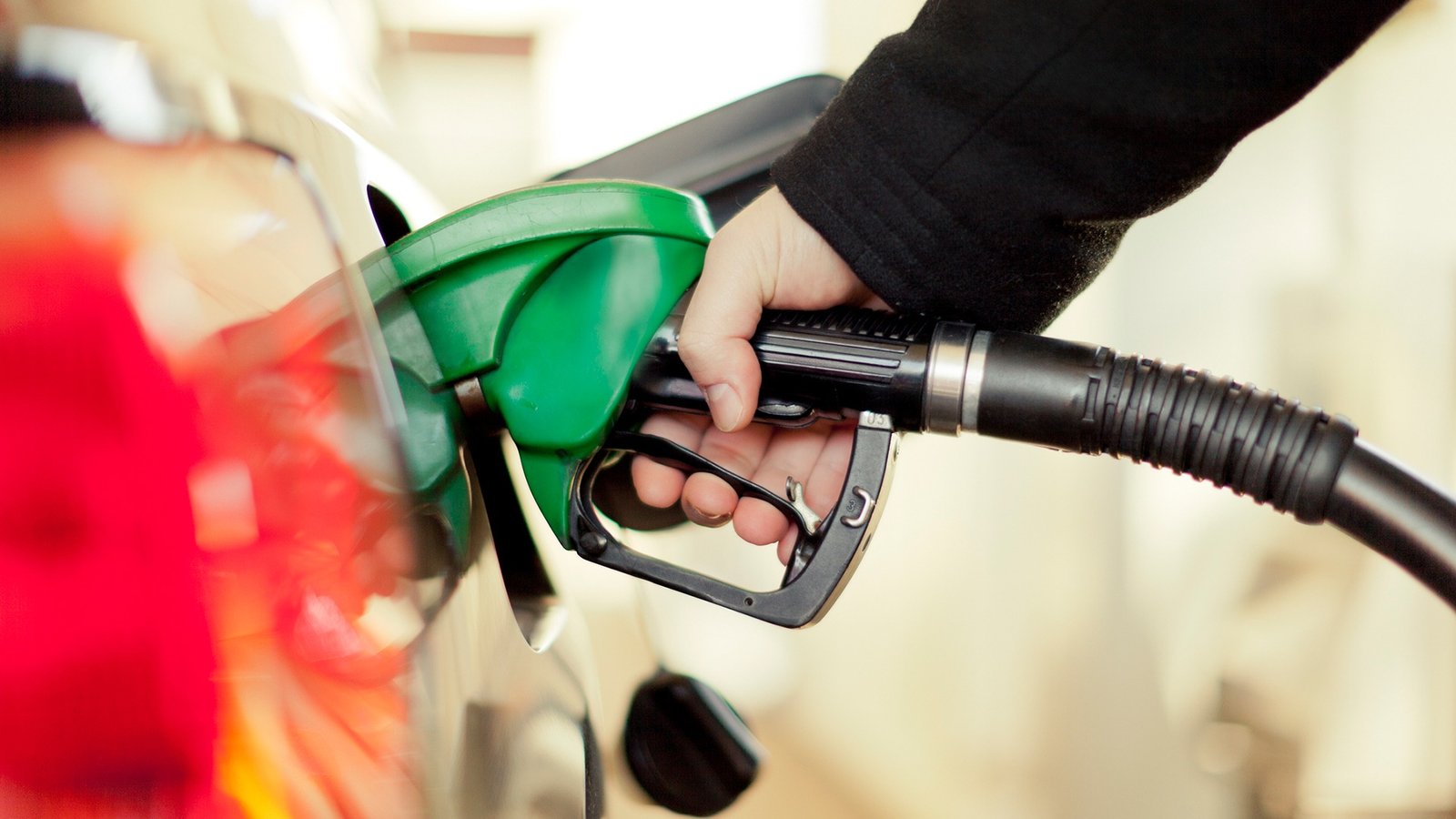
Choose the right fuel
There is little benefit in automatically paying extra for premium fuel simply because it has a higher octane rating.
Most cars are designed to run on a particular grade of fuel, so you should follow the manufacturer’s recommendations. Premium fuel may be appropriate for some vehicles, but using a higher-octane petrol does not automatically mean that every car will become significantly more economical.
If you drive a petrol car, you should also make sure you use a fuel that your vehicle is designed to accept.
In Great Britain, standard 95-octane petrol is now E10. According to GOV.UK’s E10 guidance, around 95% of petrol-powered vehicles are compatible with E10, although some older vehicles are not.
If you are unsure whether your car can use E10, you can use the official GOV.UK E10 vehicle checker.
E10 can have a small effect on fuel economy compared with E5, but the government states that the difference is generally around 1%, meaning driving style, tyre pressure and vehicle load are likely to have a much greater impact on everyday fuel consumption.
Understanding your vehicle’s recommended fuel is another useful part of fuel-efficient driving.
Do not rely on fuel additives
There are numerous fuel-system cleaners and additives marketed as ways to improve fuel economy.
Some products can have legitimate uses in particular circumstances, but they should not be viewed as a substitute for proper vehicle maintenance or efficient driving.
If your car is running poorly, experiencing a loss of power or using significantly more fuel than normal, it is better to investigate the underlying problem rather than simply adding a cleaning product to the fuel tank.
A healthy, properly maintained vehicle is a much better starting point for fuel-efficient driving.
Consider your next car carefully
If you are looking to replace your current vehicle, fuel economy should be one of the factors you consider when choosing your next car.
Smaller petrol cars, efficient diesels, hybrids and electric vehicles can all offer different advantages depending on how and where you drive.
However, the most economical choice is not necessarily the vehicle with the lowest official fuel-consumption figure. Consider your annual mileage, the type of journeys you make, purchase price, insurance, servicing and other running costs.
If you are considering buying a used car, you can browse the used cars available on MotorHype.
Choosing a vehicle that suits your typical journeys can make fuel-efficient driving considerably easier over the long term.
Monitor your fuel economy
One of the easiest ways to find out whether your fuel-efficient driving efforts are actually working is to monitor your fuel consumption.
Many modern cars display an average MPG figure on the dashboard. You can also calculate your own fuel economy by recording how many miles you travel between fill-ups and how much fuel you put into the tank.
Tracking your MPG over several tanks gives you a much more useful picture than relying on a single journey.
If your fuel economy suddenly gets worse without a change in your driving or journey patterns, it could be worth having the vehicle checked.
Small changes can make a big difference
You do not need to completely change the way you drive to improve your fuel economy.
Keeping your tyres at the correct pressure, avoiding unnecessary weight, removing roof equipment when it is not needed, accelerating smoothly, anticipating traffic and avoiding excessive speeds can all help reduce fuel consumption.
Regular servicing and sensible journey planning can help too.
The key to fuel-efficient driving is consistency rather than relying on a single fuel-saving trick. Even small improvements can add up over hundreds or thousands of miles.
For more practical motoring advice, check out our latest car news and guides for more useful tips, information and advice for drivers.