If you drive in the UK, keeping up with UK driving laws 2026 is important, as rules covering driving tests, vehicle tax, mobile phones, emissions and road safety continue to change.
Some changes are already in force, while others are proposals that could become law in the future. This guide explains the most important UK driving laws 2026 changes motorists need to know, as well as some proposed changes that are not yet law.
Whether you’re a new driver, an experienced motorist or looking to buy a used car, understanding the UK driving laws 2026 position can help you stay legal and avoid unnecessary fines or penalties.
Driving Test Rules Changed in 2026
One of the biggest UK driving laws 2026 changes for learner drivers concerns how practical driving tests can be booked and changed.
From 12 May 2026, only the learner taking the test can book and manage their car practical driving test. This means unofficial booking services and businesses that scan the DVSA booking system for earlier appointments can no longer operate in the same way.
There are also limits on how many times a learner can change their test. Since 31 March 2026, a car practical test can only be changed twice.
From 9 June 2026, learners can only move their test to one of the three nearest test centres to the original booking location. These changes are designed to make the booking system fairer and reduce the problems caused by automated services taking advantage of cancellations.
The DVSA says appointments are released at 6am on Mondays, up to 24 weeks ahead, while cancellations can become available at other times.
For the latest official information, see the GOV.UK guidance on changes to driving test booking rules in 2026.
If you’re learning to drive, these UK driving laws 2026 changes are worth understanding before you book your test.
Theory Test Changes
The theory test is also part of the wider UK driving laws 2026 picture.
New theory-test questions introduced during 2026 include enhanced content covering CPR and the use of an automated external defibrillator (AED). The aim is to give new drivers a better understanding of what they can do if they come across a serious road collision.
The hazard perception section continues to use video clips showing developing hazards. Candidates need to identify hazards as they develop rather than simply reacting to something that has already happened.
These changes don’t fundamentally alter the theory test, but they are another reason for learners to make sure they’re using current revision material.
For anyone preparing to drive, understanding the latest UK driving laws 2026 requirements is just as important as learning the practical skills needed for the test.
Will Drivers Over 70 Need an Eyesight Test?
There has been discussion during 2026 about introducing mandatory eyesight testing for older drivers.
However, mandatory eyesight testing for drivers aged 70 and over is not currently a new UK driving law 2026 requirement.
A consultation has considered whether drivers should have to complete an eyesight test when renewing their licence after reaching 70. Other proposals have also included changes to how older drivers demonstrate that they remain fit to drive.
Under the current system, a driving licence normally expires when a driver reaches 70. Drivers can then renew it every three years, while declaring that they meet the relevant medical and eyesight requirements.
So, if you’ve seen reports about new eyesight testing, don’t assume that every proposal has already become part of the UK driving laws 2026.
Mobile Phone Laws Remain Strict
Mobile phone rules remain one of the most important UK driving laws 2026 issues for motorists.
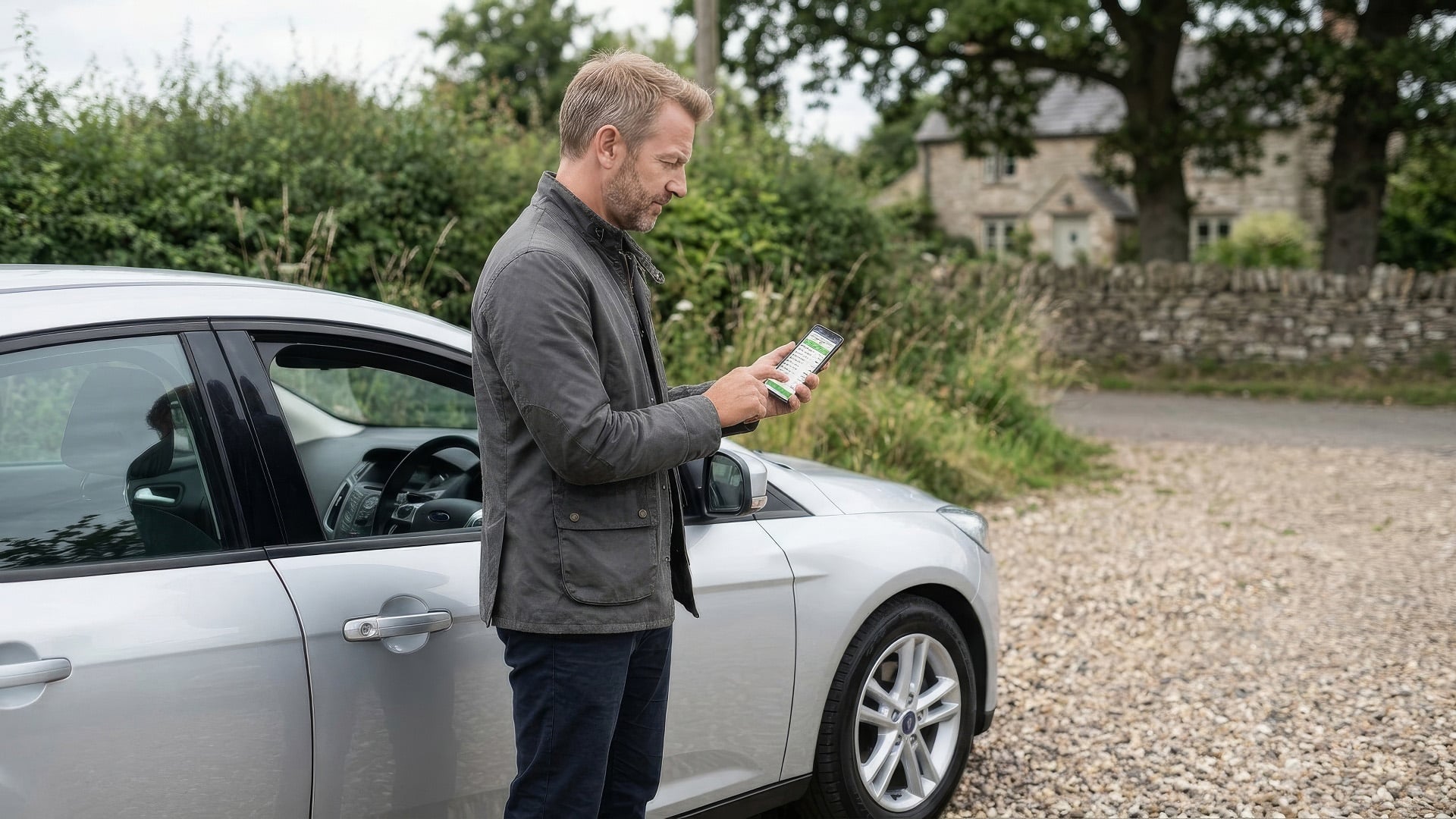
It is illegal to hold and use a mobile phone or another hand-held interactive communication device while driving. The rule also covers devices such as sat-navs, tablets and other devices capable of sending or receiving data.
Importantly, you can still be committing an offence when your vehicle is stationary in traffic or stopped at a red light.
There are limited exceptions, but generally you should keep your phone secured and use a hands-free system without holding the device.
The standard penalty for using a hand-held mobile phone while driving is six penalty points and a £200 fine. New drivers can also lose their licence if they accumulate six penalty points within their first two years of passing their test.
For the latest official rules, see the GOV.UK guidance on using mobile phones when driving.
Seatbelt and Child Restraint Rules
Seatbelt requirements remain an important part of the UK driving laws 2026 rules.
You must wear a seatbelt where one is fitted, subject to specific legal exemptions. Drivers are also responsible for ensuring that children under 14 are properly restrained where required.
Children generally need an appropriate child car seat or booster until they reach 135cm in height or turn 12, whichever happens first.
The rules can be more complicated in certain circumstances, so it’s worth checking the current requirements if you’re regularly carrying children.
These are long-standing requirements, but they remain an important part of staying compliant with UK driving laws 2026.
Vehicle Tax Changes in 2026
Vehicle Excise Duty (VED) is another important area of the UK driving laws 2026 changes.
Electric and zero-emission cars are now subject to vehicle tax. This change began on 1 April 2025, ending the previous exemption for electric vehicles.
For the 2026/27 tax year, electric cars registered on or after 1 April 2025 pay a reduced first-year rate before moving to the standard rate.
Electric cars registered between 1 April 2017 and 31 March 2025 are also subject to the standard rate, while older electric cars registered between 1 March 2001 and 31 March 2017 fall into the lower £20 standard-rate band.
The £10 annual discount previously available to some alternative-fuel vehicles has also been removed.
There is also an additional expensive-car supplement for some vehicles with a list price above the relevant threshold. This can apply to electric vehicles as well as petrol and diesel cars.
If you’re considering changing cars, these UK driving laws 2026 tax changes are worth factoring into the overall cost of ownership.
Clean Air Zones Continue to Affect Drivers
Clean Air Zones remain another important part of the UK driving laws 2026 landscape.
England currently has Clean Air Zones in places including:
- Bath
- Birmingham
- Bradford
- Bristol
- Portsmouth
- Sheffield
- Tyneside
The exact rules and charges vary between locations.
Some Class D Clean Air Zones can charge cars that don’t meet the required emissions standards. As a general guide, diesel cars usually need to meet Euro 6 standards, while petrol cars generally need to meet Euro 4.
However, local rules can vary, so always check the requirements for the specific area you’re planning to drive through.
You can check the GOV.UK Clean Air Zone information before travelling.
London’s Ultra Low Emission Zone (ULEZ) and Scotland’s Low Emission Zones operate separately, so don’t assume that the rules are identical across the UK.
For motorists with older vehicles, Clean Air Zones are one of the UK driving laws 2026 areas worth checking before making a journey.
New Emissions Rules Are Being Considered
Another area of the UK driving laws 2026 discussion is vehicle emissions.
The government has been consulting on how to ensure road vehicles continue to meet the emissions requirements that applied when they were originally built or registered.
This does not mean that every proposed emissions measure is already law.
For motorists, however, it highlights the continuing focus on vehicle emissions and the importance of keeping vehicles properly maintained.
If you’re buying a used car, checking its emissions standard can also be important if you regularly drive into cities with Clean Air Zones.
The emissions proposals are therefore something to keep an eye on as the UK driving laws 2026 position develops.
Automated Driving Is Moving Forward
Automated vehicles are another area to watch within the UK driving laws 2026 landscape.
The Automated Vehicles Act 2024 provides a legal framework for vehicles with self-driving capabilities, with implementation work continuing towards the introduction of the new regulatory system.
However, widespread fully self-driving cars are not suddenly becoming legal for general use across the UK during 2026.
The government’s programme is working towards the new framework being implemented from 2027 onwards.
For now, drivers remain responsible for complying with the existing rules unless a specific vehicle and driving system has been legally authorised for automated operation.
This means automated driving is part of the wider UK driving laws 2026 discussion, but motorists should not assume that fully autonomous driving is already generally permitted.
Road Safety Remains a Major Focus
The wider UK driving laws 2026 programme is also focused on improving road safety.
Government work during 2026 has included areas such as:
- Young and novice drivers
- Older drivers
- Motorcycle licensing
- Motoring offences
- Vehicle safety technology
- Road infrastructure
- Enforcement
- Data and technology
Some of these areas involve consultations and proposed changes rather than laws that have already taken effect.
That distinction is important because headlines about potential new motoring rules can sometimes make proposed legislation sound like an existing requirement.
As a result, motorists should distinguish between confirmed UK driving laws 2026 changes and proposals that are still being considered.
What Do the UK Driving Laws 2026 Mean for Used-Car Buyers?
The UK driving laws 2026 changes can also affect what you should consider when buying a used car.
Before buying, check the vehicle’s tax position, emissions standard and whether it can enter the areas you regularly drive through without additional charges.
This is particularly important if you’re considering an older diesel car and regularly travel into cities with Clean Air Zones.
You should also check the vehicle’s MOT history and make sure it is suitable for your intended use.
Our MOT test preparation guide explains some of the key areas to check when maintaining a car, while our guide to being more fuel efficient when driving has practical ways to reduce fuel consumption.
If you’re looking for your next vehicle, you can also browse used cars for sale on MotorHype.
Understanding the UK driving laws 2026 position before buying can help you avoid choosing a vehicle that becomes inconvenient or expensive to use.
Are All of These UK Driving Laws 2026 Changes Already in Force?
No. This is one of the most important things to understand about UK driving laws 2026.
Some changes have already come into effect, such as the new practical driving test booking restrictions and changes affecting vehicle taxation.
Other areas, including potential eyesight testing for older drivers and some emissions and road-safety proposals, are still being considered.
The difference matters because breaking an existing law can result in a fine, penalty points or other consequences, whereas a government consultation does not automatically create a new legal requirement.
If you see a headline claiming that a major new rule has been introduced, it’s worth checking the latest official government guidance before changing how you drive.
This is particularly important when reading about proposed UK driving laws 2026 changes on social media or in online forums.
Keeping Up With UK Driving Laws 2026
The UK driving laws 2026 landscape covers much more than simply changes to speed limits or driving tests.
From practical test bookings and mobile phone rules to vehicle tax, Clean Air Zones, emissions and automated driving, there are several areas motorists need to keep an eye on.
The easiest way to stay compliant is to check official GOV.UK guidance when a new rule is announced rather than relying solely on social media posts or headlines.
For anyone buying a used car, it’s equally important to consider how UK driving laws 2026 affect the vehicle you are considering, particularly its tax, emissions standard, MOT and suitability for the areas where you drive.
As further changes are introduced, this guide can be updated to reflect the latest position.