As the colder months approach, it’s worth giving your car a little extra attention. Cold temperatures, wet roads, ice, snow and longer hours of darkness can all make driving more challenging, while winter can expose weaknesses in a vehicle that might go unnoticed during the warmer months.
Good winter car preparation can help reduce the risk of breakdowns, improve visibility and make sure your car is ready for difficult road conditions.
From checking your battery and tyres to preparing an emergency kit, here are some essential checks to complete before winter arrives.
1. Check Your Battery
The battery is one of the first things worth checking as part of your winter car preparation.
Cold weather can make it harder for a battery to deliver the power needed to start the engine, particularly if the battery is already ageing or its state of charge is low. Battery-related problems can also become more common during cold weather.
A battery check is therefore an important part of thorough winter car preparation.
As part of your winter car preparation, consider having an older battery tested by a garage or breakdown provider. Look for signs such as slow engine cranking, dimming lights or difficulty starting the car.
It is also worth checking that the battery terminals are clean and the connections are secure. If the battery is showing signs of failure, replacing it before the coldest weather arrives could save you from an inconvenient breakdown.
For more general maintenance advice, see our guide explaining what a car service is.
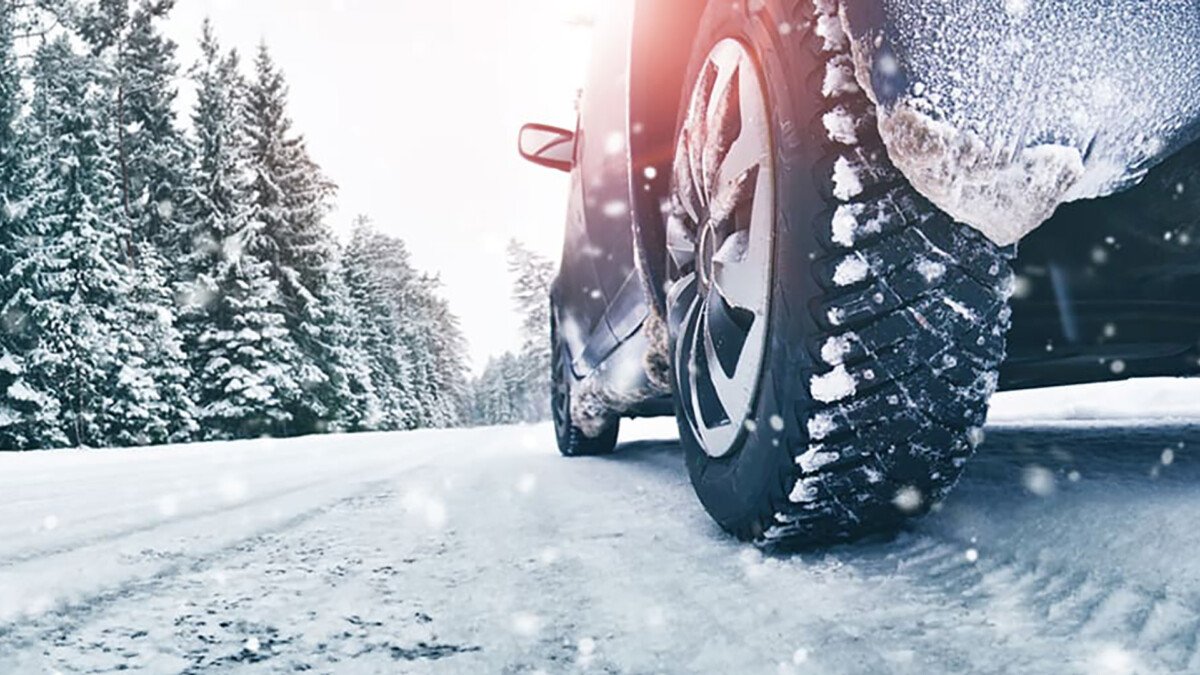
2. Inspect Your Tyres
Your tyres are your only contact with the road, so checking them is one of the most important parts of winter car preparation.
Start by checking the tread depth and look for cuts, cracks, bulges or other visible damage. For cars in the UK, the legal minimum tread depth is 1.6mm across the central three-quarters of the tyre and around the entire circumference. However, replacing tyres before they reach the legal limit is sensible, particularly if you regularly drive in wet or wintry conditions.
A tread depth of around 3mm is often recommended as a practical point at which to consider replacing tyres for improved wet-weather performance. This is a recommendation rather than the legal minimum.
You should also check your tyre pressures using the pressures specified by your vehicle manufacturer. These can normally be found in the handbook, on a sticker inside the driver’s door or elsewhere on the vehicle.
If you’re unsure what your tyre markings mean, our comprehensive guide to checking tyre sizes explains how to understand the numbers and letters on your tyres.
If you regularly drive in areas that experience heavy snow and prolonged low temperatures, winter or all-season tyres may also be worth considering.
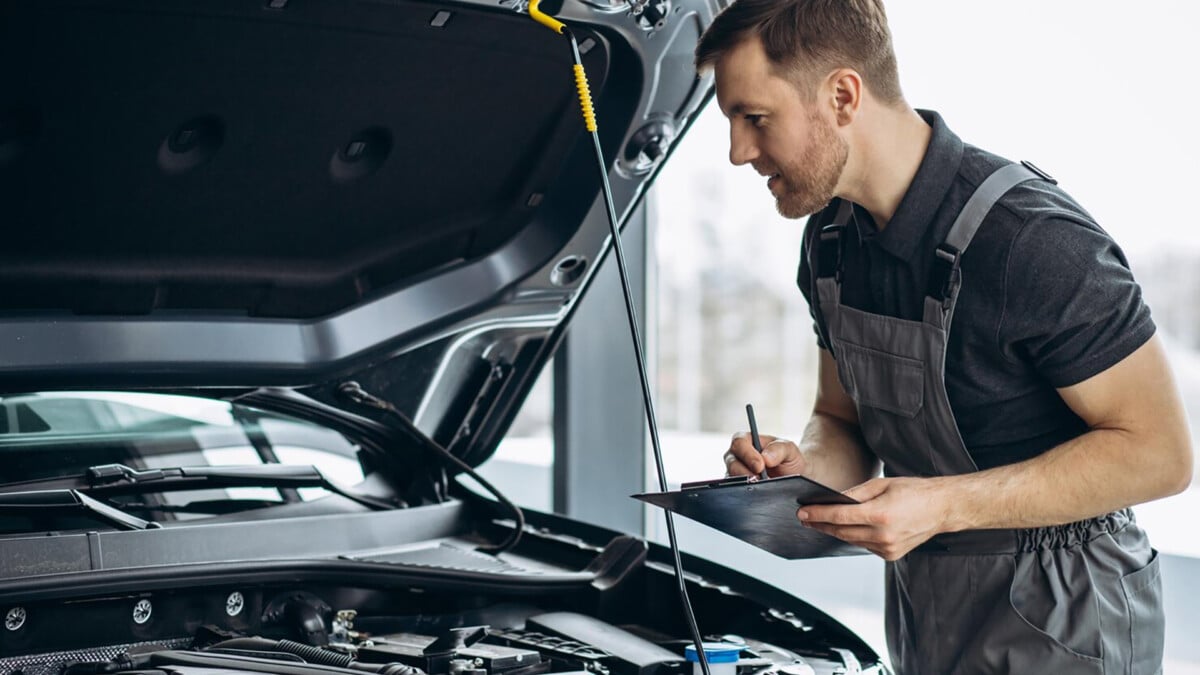
3. Check Your Fluids
Checking your fluids is another simple but important part of winter car preparation.
Check the levels of:
- Engine oil
- Coolant
- Brake fluid
- Windscreen washer fluid
These simple checks should form part of your winter car preparation and your normal vehicle maintenance routine.
Your vehicle’s handbook should tell you how and when to check the various fluid levels and which specifications to use.
Pay particular attention to your coolant. Modern cooling systems use a mixture of coolant and antifreeze to protect the engine from freezing and corrosion. Never open the coolant reservoir when the engine is hot.
Your screenwash is particularly important during winter. Use a screenwash designed to work in freezing temperatures rather than relying on plain water. Road salt, mud and winter grime can quickly cover the windscreen, so having effective screenwash available is essential for maintaining visibility.
When it comes to engine oil, don’t automatically switch to a different grade for winter. Always follow the oil specification recommended by your vehicle manufacturer.
4. Check Your Wipers, Windscreen and Lights
Good visibility is essential when driving during winter, particularly when it is dark, raining, snowing or foggy.
Inspect your windscreen wipers for splits, damage or excessive wear. If they leave streaks or fail to clear water effectively, replace them.
Check the windscreen itself for chips or cracks that could affect your view. Keeping the glass clean inside and out can also make a noticeable difference when the low winter sun is causing glare.
You should also check all of your lights, including:
- Headlights
- Brake lights
- Indicators
- Rear lights
- Fog lights
- Number plate lights
Clean dirty light lenses and replace faulty bulbs where necessary. There is usually no need to fit brighter bulbs simply for winter; the priority should be ensuring your existing lighting system is working correctly.
5. Prepare a Winter Emergency Kit
A winter emergency kit can be extremely useful if you break down or become stuck in poor weather.
Your winter car preparation should also include putting together an emergency kit containing useful items such as:
- Ice scraper
- De-icer
- Torch
- Spare batteries
- Jump leads
- Phone charger or portable power bank
- Warm clothing
- Blanket
- First-aid kit
- Food and water
- High-visibility clothing
- Suitable footwear
A small shovel can also be useful if you regularly travel on rural roads or in areas where snow is more likely.
The Highway Code’s guidance on driving in adverse weather recommends carrying suitable equipment when driving in icy or snowy conditions.
It is also worth making sure your phone is fully charged before a long journey and carrying a suitable charging cable or power bank.
6. Check Your Brakes
Your brakes need to work properly all year round, but winter weather makes it particularly important to know that your car is capable of stopping safely.
Look out for warning signs such as:
- Grinding or squealing noises
- Vibration through the steering wheel or brake pedal
- The car pulling to one side when braking
- A brake pedal that feels unusually soft
- Increased stopping distances
If you notice any of these symptoms, have the brakes inspected by a qualified professional.
As part of your winter car preparation, don’t overlook the condition of your brakes. Even perfectly functioning brakes cannot overcome a lack of grip. Wet, icy or snow-covered roads can dramatically increase stopping distances, so leave plenty of extra space and adjust your speed to the conditions.
7. Check Your Fuel and Plan Your Journey
Good winter car preparation isn’t just about the vehicle itself. Your journey should also be planned around the weather and road conditions.
Before setting off, check the forecast and look for traffic problems, road closures or severe weather warnings that could affect your route.
Make sure you have enough fuel for the journey and allow additional time if poor weather could cause delays. Effective winter car preparation means considering what could happen if your journey takes longer than expected.
If you’re trying to reduce your fuel consumption throughout the year, our guide on how to be more fuel efficient when driving has some useful tips.
For longer journeys, particularly through rural areas, consider whether you have enough food, water and warm clothing should you experience a breakdown or prolonged delay.
8. Keep Your Windscreen Clear
Never underestimate the importance of clearing your windows before driving.
Keeping your windows clear is another key part of winter car preparation. Remove snow and ice from all windows, mirrors and lights before setting off. Don’t rely on a small cleared patch of windscreen, as restricted visibility can make it much harder to see hazards and other road users.
Use a proper ice scraper and de-icer rather than trying to clear ice with boiling water, which can cause thermal shock and potentially crack the glass.
Make sure your washer fluid is topped up and suitable for freezing conditions. This is particularly important when roads have been treated with salt, as spray from other vehicles can quickly dirty your windscreen.
9. Increase Your Following Distance
Winter driving requires you to adapt your normal driving style.
On wet roads, your stopping distance can be at least twice that of a dry road. On icy roads, it can be considerably longer. The Highway Code advises drivers to keep well back from the vehicle in front, while its guidance for icy conditions warns that stopping distances can be significantly greater.
As part of your winter car preparation, remember that maintaining a larger gap gives you more time to react to sudden braking or changes in traffic.
Smooth inputs are also important. Avoid harsh acceleration, braking and steering, particularly when the road surface is slippery.
10. Drive According to the Conditions
Even the best winter car preparation cannot eliminate the risks created by severe weather.
If roads are icy or covered in snow, reduce your speed and leave plenty of room for manoeuvre. Avoid sudden steering, acceleration or braking, and give yourself additional time to react.
The Highway Code advises checking weather forecasts for warnings of icy or snowy conditions and says you should avoid driving unless your journey is essential when conditions are particularly severe.
If conditions become particularly dangerous, consider whether your journey is necessary.
Good winter driving is about adapting to the conditions rather than simply relying on the technology or equipment fitted to your car.
Final Thoughts on Winter Car Preparation
Completing your winter car preparation before the cold weather arrives can help you identify potential problems before they turn into expensive repairs or inconvenient breakdowns.
Checking your battery, tyres, fluids, lights, wipers and brakes can make a big difference, while keeping a winter emergency kit in the car can give you extra peace of mind.
Remember that winter car preparation is only part of staying safe. Adjust your speed and driving style to the conditions, leave extra stopping distance and don’t travel if the weather makes the journey unsafe.
A few simple checks before winter arrives can help you and your vehicle face the colder months with greater confidence.