As the warmer months arrive, the open road becomes even more appealing. Whether you’re heading to the coast, travelling through the countryside or simply commuting during the summer, good preparation can make your journey safer and more enjoyable.
Summer driving brings its own challenges, from bright sunlight and heavy holiday traffic to hot temperatures and sudden thunderstorms. Taking a little time to prepare your car and plan your journey can make summer driving safer and help you avoid unnecessary problems.
Preparing Your Vehicle for Summer
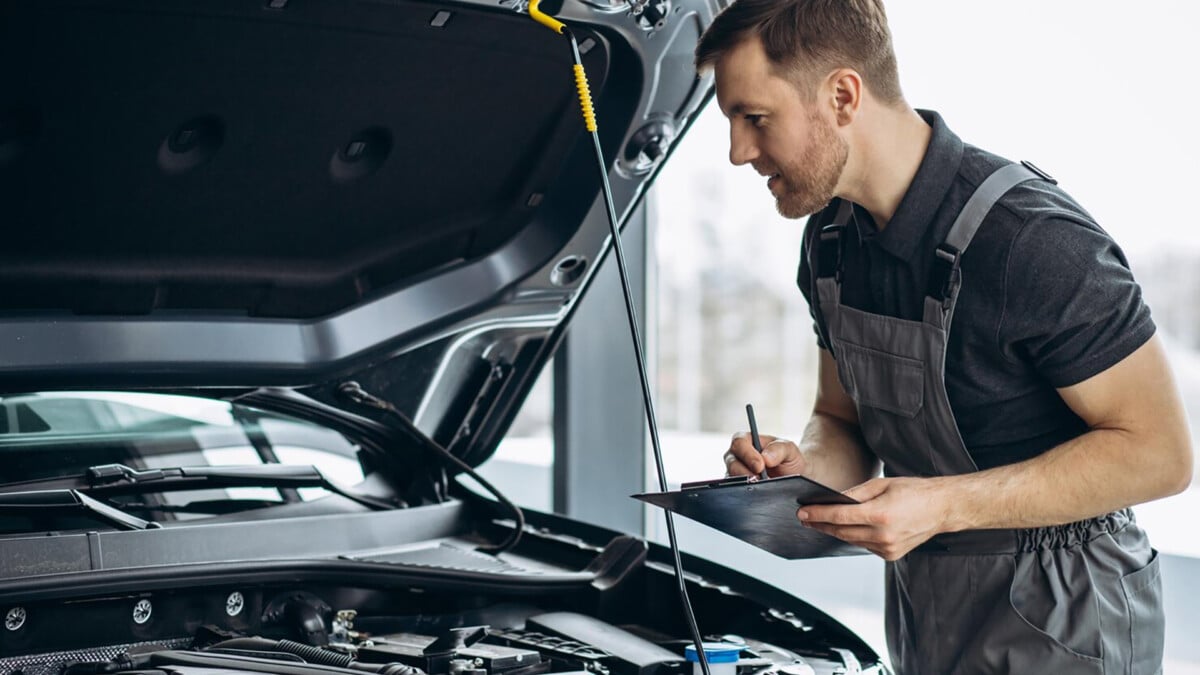
Before setting off on a long journey, it is worth carrying out some basic checks. Good summer driving starts with making sure your vehicle is roadworthy and ready for warmer temperatures and potentially longer journeys.
Check your tyres
Your tyres are one of the most important things to inspect before summer driving, particularly if you’re planning a long road trip.
Check the pressure when the tyres are cold and make sure it matches the manufacturer’s recommended figures. Incorrect pressures can affect handling, braking, fuel economy and tyre wear.
You should also inspect the tyres for cuts, bulges and other visible damage. For cars, the legal minimum tread depth in the UK is 1.6mm across the central three-quarters of the tread and around the entire circumference.
If you’re unsure about tyre sizes, pressures or markings, our comprehensive guide to checking tyre sizes explains what the information on your tyres means.
Check oil and coolant
Engine oil and coolant are particularly important before travelling in hot weather.
Check your oil level according to the instructions in your vehicle’s handbook and top it up with the correct specification if necessary.
You should also check the coolant level when the engine is cold. Cooling-system problems can contribute to summer breakdowns, so any unexplained loss of coolant should be investigated rather than simply topped up repeatedly.
Never remove a coolant reservoir or radiator cap when the engine is hot, as pressurised coolant can cause serious burns.
Test the air conditioning
A working air-conditioning system can make a significant difference to summer driving.
Test it before you travel rather than waiting until temperatures rise. If the system is no longer cooling effectively, it may need professional attention.
Keeping the cabin at a comfortable temperature can also help make long journeys more pleasant and reduce the effects of heat and fatigue.
Check the battery
Although battery problems are particularly associated with cold weather, it is still worth checking the battery and electrical system before a long journey.
Look for obvious corrosion around the terminals and make sure the connections are secure. If the battery has been showing signs of weakness, consider having it checked before travelling.
A battery check is a simple but worthwhile part of summer driving preparation, particularly before a long trip.
Check your wipers, washer fluid and lights
Summer weather does not always mean dry roads. Heavy showers and thunderstorms can quickly reduce visibility, making properly maintained wipers and lights particularly important for safe summer driving.
Make sure your wiper blades are working properly and replace them if they leave significant smears or fail to clear the windscreen effectively.
Keep the washer-fluid reservoir topped up and check that all of your lights are working.
Your windscreen, windows and mirrors should also be clean and clear before setting off. GOV.UK recommends regular checks of items including tyres, oil, coolant, brakes, lights, washers and wipers as part of keeping a vehicle safe to drive. You can read the official GOV.UK vehicle safety guidance for further information.
What to Pack for Summer Driving
You do not need to fill your boot with unnecessary equipment, but a few useful items can make summer driving considerably easier.
Take plenty of water
Keep drinking water available, particularly on longer journeys or when travelling in hot weather.
The Met Office recommends taking plenty of water and having regular rest breaks during hot weather.
Take sun protection
Sunglasses can help reduce glare, while a windscreen sunshade can help keep the interior cooler when the car is parked.
If you’re spending time outside during breaks, remember suitable sun protection as well.
Carry a basic emergency kit
A basic kit can include a torch, first-aid supplies, warning equipment, a phone charger and anything else you may reasonably need if you experience a breakdown or significant delay.
It is also sensible to have enough fuel for the journey and potential delays rather than relying on reaching your destination without stopping.
Check your navigation
Check your route before leaving and make sure your navigation system is working correctly.
For longer journeys, it is worth knowing the main route and having an alternative in mind in case of congestion or road closures.
Driving in Hot Weather
Hot weather can affect both the driver and the vehicle, so adapting your approach is an important part of safe summer driving.
Keep the cabin comfortable
Use the air conditioning or ventilation system to prevent the cabin from becoming excessively hot.
The Highway Code advises keeping your vehicle well ventilated in hot weather to help avoid drowsiness.
If you start feeling tired, do not rely on cold air or music to keep you awake. Stop somewhere safe and take a proper break.
Take regular breaks
Long summer journeys can be tiring, particularly when traffic is heavy or temperatures are high.
Plan a break at least every two hours on longer journeys. Get out of the car, stretch your legs, drink some water and give yourself time to recover before continuing.
Taking regular breaks is one of the simplest ways to make summer driving safer, particularly on long motorway journeys.
Watch the temperature gauge
If your engine temperature starts rising unusually high or you receive an overheating warning, do not ignore it.
Find a safe place to stop and switch the engine off if necessary. Allow the vehicle to cool before investigating the problem, and never open a pressurised cooling system while it is hot.
Dealing with Busy Summer Roads
Summer holidays can mean significantly busier roads, particularly around weekends, bank holidays and popular coastal destinations.
Allow extra time
Give yourself plenty of time for the journey rather than trying to make up time if traffic becomes heavy.
Planning ahead is especially important for summer driving because delays can quickly make an otherwise straightforward journey much longer.
Leaving earlier or later can sometimes help avoid the busiest periods, but always prioritise being rested and fit to drive.
Keep a safe following distance
Traffic jams can lead to sudden braking, particularly when approaching junctions, roundabouts and motorway congestion.
Leave enough space between you and the vehicle ahead so you have time to react if traffic slows unexpectedly.
Watch for cyclists, pedestrians and motorcyclists
Good weather encourages more people to walk, cycle and ride motorcycles.
Take extra care around cycle lanes, junctions, residential areas and popular tourist destinations. Always check carefully before changing direction or opening a door into the path of a cyclist.
Being aware of vulnerable road users is particularly important during busy periods of summer driving.
Dealing with Summer Weather
Summer weather can change quickly, and heavy rain can be just as hazardous as bright sunshine.
Heavy rain and thunderstorms
When rain becomes heavy, reduce your speed and increase the distance between your vehicle and the one in front.
The Highway Code states that stopping distances in wet weather can be at least double those on dry roads. If your steering becomes unresponsive because of standing water, ease off the accelerator and slow down gradually.
Avoid driving through large areas of standing water where possible, as doing so can affect your steering and braking and may cause water to enter areas of the vehicle where it can cause damage.
Taking extra care in heavy rain is an important part of safe summer driving.
Bright sunlight and glare
Low or bright sunlight can make it difficult to see other vehicles, pedestrians, cyclists and road markings.
Keep your windscreen clean inside and out, use your sun visors and wear suitable sunglasses if they improve your vision.
Most importantly, do not try to drive through severe glare at normal speed simply because the road ahead is familiar.
The Highway Code advises drivers to slow down and, if necessary, stop if they are dazzled by bright sunlight.
Strong winds
Strong winds can be particularly noticeable on exposed roads, bridges and open stretches of motorway.
Take extra care when passing high-sided vehicles and when driving with a roof box, trailer or bicycles mounted on the vehicle.
If conditions become severe, reduce your speed and give yourself more room to react to sudden gusts.
Driving More Efficiently in Summer
Summer driving can also be an opportunity to improve fuel efficiency.
Avoid unnecessary acceleration and braking, maintain a steady speed where conditions allow and remove unnecessary weight from the vehicle.
Correct tyre pressures are also important because incorrectly inflated tyres can affect fuel economy as well as handling and tyre wear.
For more ways to reduce fuel consumption, take a look at our guide on how to be more fuel-efficient when driving.
Efficient driving can help reduce fuel consumption and may also mean fewer fuel stops on a long summer journey.
Planning a Summer Road Trip
If you’re heading away for a few days, preparation should go beyond checking the car.
Check the weather forecast before leaving and look for potential traffic problems along your route. Allow extra time for busy roads, planned stops and unexpected delays.
It is also worth checking your vehicle’s handbook for any recommended checks before a long journey.
If your car is due a service, getting it looked at before a major trip can be worthwhile. Our guide to what a car service involves explains some of the checks and maintenance typically carried out.
Good preparation can make summer driving much less stressful, particularly when travelling with family or covering several hundred miles.
Final Thoughts
Summer driving can be one of the most enjoyable times of the year to be behind the wheel, but warmer weather and busier roads can create additional challenges.
Checking your tyres, fluids, cooling system, lights and wipers before a long journey is a simple way to reduce the chance of problems. Planning regular breaks, carrying water and adapting your driving to heavy traffic, rain, glare and strong winds can also make a significant difference.
Whether you’re heading for the coast, exploring the countryside or simply commuting during the warmer months, a little preparation can help make your summer driving safer, more comfortable and more enjoyable.
If you’re looking for a vehicle that’s ready for your next journey, you can also browse used cars on MotorHype.