Christmas is a time for visiting family, travelling to see friends and enjoying festive celebrations, but winter weather can make driving more challenging. Shorter days, low temperatures, rain, fog, ice and snow can all affect road conditions and visibility.
Good preparation and a sensible approach can make a big difference. This guide to winter driving covers the most important checks and driving tips to help you stay safe on the roads over the Christmas period.
Prepare Your Vehicle for Winter
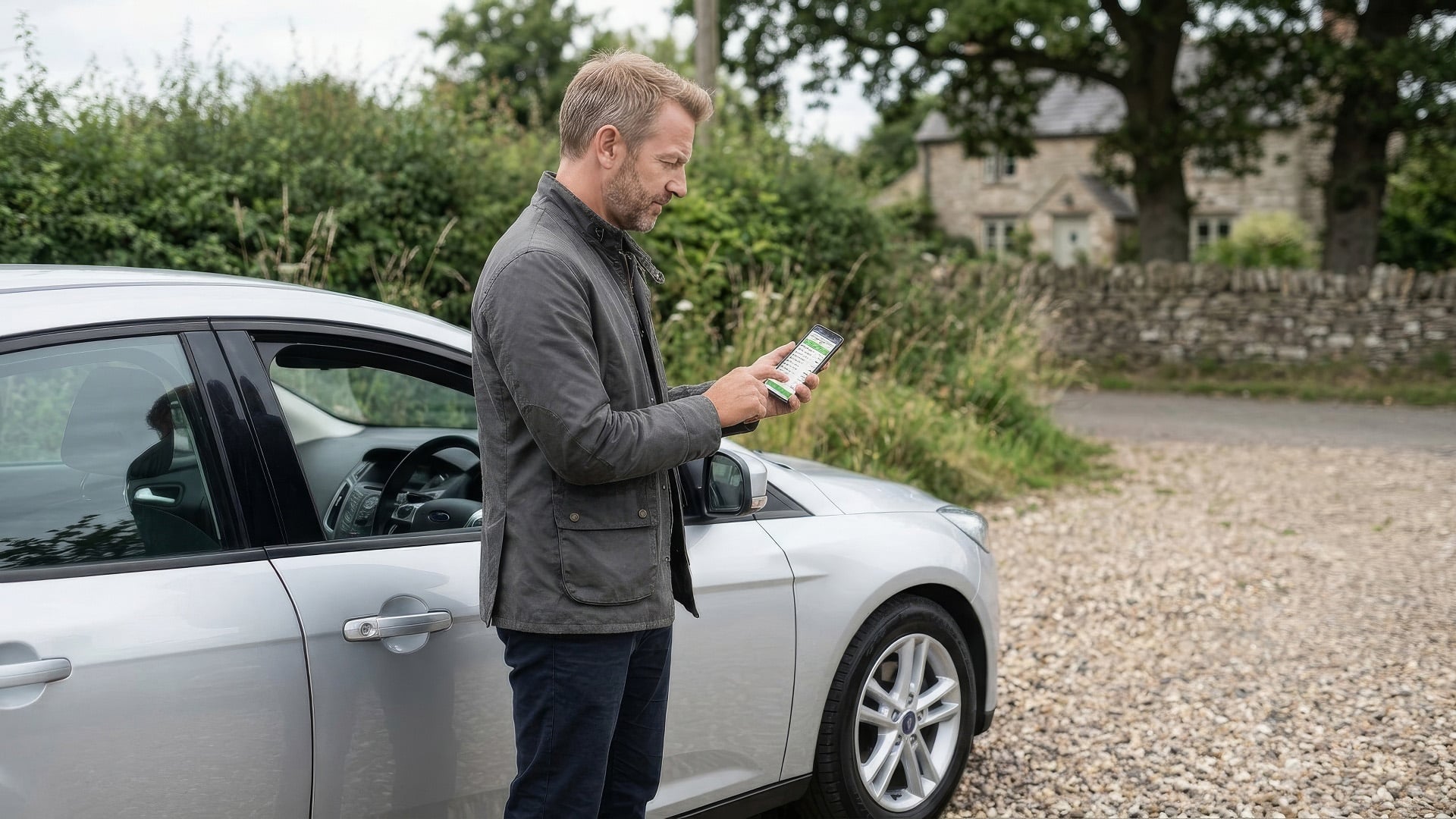
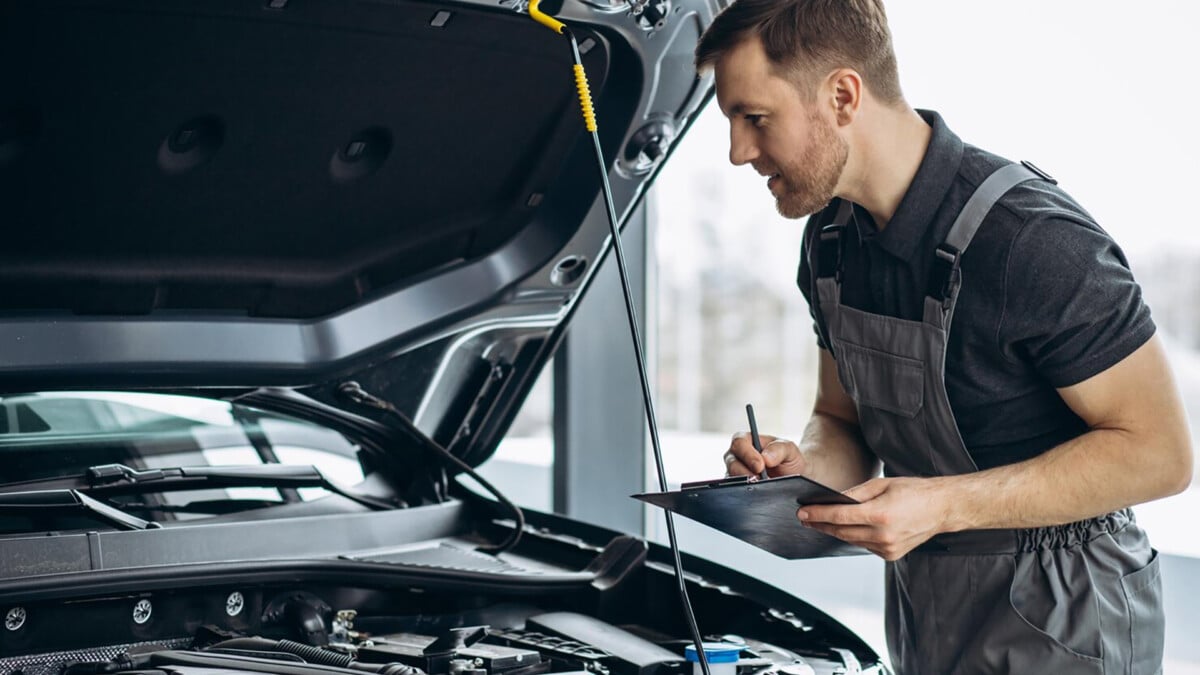
Before setting off on a Christmas journey, make sure your car is ready for the conditions. Winter driving places additional demands on your tyres, battery, lights, brakes and windscreen.
Check your tyre pressures against the manufacturer’s recommended figures and inspect the tyres for cuts, bulges and excessive wear. The legal minimum tread depth for cars is 1.6mm across the central three-quarters of the tyre and around its entire circumference, although replacing tyres before they reach the legal limit can provide a useful safety margin. GOV.UK: Check your vehicle is safe to drive
Taking a few minutes to prepare your car can make winter driving safer and less stressful.
Check your engine oil, coolant and screenwash levels, and make sure your screenwash is suitable for low temperatures. It’s also worth checking the condition of your battery, particularly if it is several years old.
Your lights, brakes, wipers and demisters should all be working correctly. Keeping lights, windows and mirrors clean is particularly important during winter when dirt, spray and road salt can quickly reduce visibility. Highway Code: Vehicle maintenance, safety and security
If you regularly drive in particularly cold or snowy areas, winter tyres may be worth considering. However, they aren’t a legal requirement for ordinary UK motorists, so the most important thing is making sure your existing tyres are correctly inflated and in good condition.
Slow Down for Winter Conditions
One of the most important principles of winter driving is to adapt your speed to the conditions rather than simply following the posted speed limit.
A speed limit is the maximum permitted speed, not a target. Rain, ice, snow, fog, standing water and poor visibility can all mean that a considerably lower speed is appropriate.
Avoid sudden acceleration, harsh braking and sharp steering inputs when the road is slippery. Smooth and controlled inputs are particularly important during winter driving because they reduce the risk of losing grip.
If conditions become particularly severe, consider whether your journey is necessary. The Highway Code advises avoiding driving in icy or snowy conditions unless the journey is essential. GOV.UK: Driving in adverse weather conditions
Check the Weather and Your Route
Before setting off, check the weather forecast and road conditions, particularly if you’re travelling a long distance over Christmas.
Winter driving can become much more difficult when conditions deteriorate unexpectedly, so allow extra time rather than trying to make up time by driving faster.
Look out for warnings of snow, ice, heavy rain, strong winds or fog and consider whether you need to change your route or delay your journey.
The Met Office provides weather warnings and winter travel advice, while local and national traffic services can help you identify incidents, road closures and delays. Met Office: Driving safely in winter weather
Carry a Winter Emergency Kit
A winter emergency kit can be extremely useful if you break down or become stranded during a journey.
For longer Christmas journeys, consider carrying:
- An ice scraper and de-icer
- A torch
- Warm clothing or blankets
- Suitable footwear
- A first aid kit
- Jump leads
- A fully charged mobile phone
- Food and a warm drink
- A small shovel if snow is forecast
The Highway Code specifically recommends carrying items such as de-icer, an ice scraper, torch, warm clothing, boots, a first aid kit, jump leads and a shovel when travelling in icy or snowy conditions. GOV.UK: Driving in adverse weather conditions
You don’t necessarily need to fill your boot with an enormous survival kit, but having a few useful items available could make an unexpected breakdown much easier to deal with during winter driving.
Make Sure Your Windscreen Is Clear
Never drive with snow or ice covering your windscreen, windows, mirrors or lights.
Before setting off, clear all snow and ice properly and make sure your windows are thoroughly demisted. Do not rely on a small patch of clear glass in front of the driver.
It’s also important to remove snow from the roof of your car. Snow can slide onto the windscreen while you’re driving or fall into the path of other road users.
Do not use boiling water to clear an icy windscreen, as the sudden temperature change can damage the glass.
Use Your Lights Correctly
Shorter winter days mean you’ll often be driving in darkness or poor light, making correctly functioning lights particularly important.
Check that your headlights, brake lights, indicators and rear lights are working and keep the lenses clean.
In seriously reduced visibility, you must use headlights. Front and rear fog lights should only be used when visibility is seriously reduced and must be switched off when visibility improves, because they can dazzle other road users. GOV.UK: Driving in adverse weather conditions
Remember that winter driving isn’t just about seeing the road ahead. Making sure other road users can see your vehicle is equally important.
Leave a Bigger Gap
Stopping distances can increase significantly when roads are wet, icy or covered in snow.
The Highway Code advises leaving at least a two-second gap on high-speed roads in normal conditions, with the gap doubled on wet roads and potentially increased to as much as ten times greater on icy roads. GOV.UK: General rules, techniques and advice
This is one of the most important winter driving habits to adopt.
Don’t become frustrated if another driver leaves a large gap in front of you. They may be allowing additional space because of the conditions, and you should do the same.
If traffic ahead suddenly slows, having a larger gap gives you more time to react without having to brake sharply.
Take Extra Care on Ice and Snow
Ice can be difficult to spot, particularly in shaded areas, on bridges and on roads that appear clear.
If you’re driving on snow or ice, reduce your speed and make all your inputs as smooth as possible. Avoid sudden braking, acceleration or steering.
Black ice can be particularly hazardous because the road may look perfectly normal. Be especially cautious when temperatures are around freezing or after wet weather has been followed by a sharp drop in temperature.
These conditions require extra care, making cautious winter driving essential.
If conditions are so severe that you cannot safely maintain control of your vehicle, find a safe place to stop rather than continuing your journey.
Be Careful in Fog, Rain and Low Winter Sun
Winter driving isn’t limited to snow and ice. Heavy rain, fog and low sunlight can all create hazards.
In fog, slow down and leave enough distance from the vehicle ahead to stop within the distance you can see clearly. Do not use fog lights simply because it is dark or raining; they are intended for seriously reduced visibility. GOV.UK: Driving in adverse weather conditions
Heavy rain can also make it harder to see and increases stopping distances. The Highway Code states that stopping distances in wet weather are at least double those required on dry roads. GOV.UK: Driving in adverse weather conditions
Low winter sunshine can cause severe glare, particularly when the sun is low on the horizon. Keep your windscreen clean and slow down if you’re dazzled.
Plan Breaks on Longer Christmas Journeys
Christmas journeys can involve hundreds of miles of motorway driving, especially if you’re travelling to visit family.
Plan regular breaks rather than attempting to complete the journey without stopping. A short break gives you an opportunity to stretch your legs, get a drink, check the route and reassess the weather conditions.
Never rely on caffeine or loud music as a substitute for proper rest. If you feel tired, stop somewhere safe and take a break.
Fatigue can seriously affect concentration and reaction times, making it particularly dangerous when combined with difficult winter conditions.
Check Before You Set Off
Taking a few minutes before a journey can make winter driving considerably safer.
Before leaving, check:
- The weather forecast and any relevant warnings
- Traffic conditions and your planned route
- Tyre pressures and condition
- Fuel or battery charge
- Engine oil and coolant
- Screenwash
- Lights and indicators
- Windscreen, windows and mirrors
- Your emergency equipment
- Whether you are sufficiently rested to drive
The government’s roadworthiness guidance also reminds drivers that having a current MOT does not automatically mean a vehicle is safe to drive. Drivers remain responsible for making sure their vehicle is roadworthy. GOV.UK: Check your vehicle is safe to drive
Winter Driving: Stay Safe This Christmas
Winter driving requires more preparation and patience than driving in good summer conditions. The combination of darkness, rain, ice, snow, fog and busy Christmas traffic means conditions can change quickly.
Good preparation is one of the best ways to make winter driving safer. Prepare your vehicle, check the weather and route before leaving, leave plenty of time and adapt your speed to the conditions.
Most importantly, don’t feel pressured to continue a journey if the weather makes it unsafe. Getting there safely is far more important than getting there quickly.
At MotorHype, we hope these winter driving tips help you enjoy a safe Christmas on the road. Take your time, look after your vehicle and have a safe and Merry Christmas.
For more motoring advice and guides, visit the MotorHype News section.