Keeping your car looking its best isn’t just about appearances. Regular car detailing can help keep the interior and exterior in good condition, protect the paintwork and make the vehicle more presentable when it eventually comes time to sell.
But should you tackle car detailing yourself or pay a professional to do it?
DIY car detailing can be an affordable and satisfying way to look after your vehicle, while professional detailing can provide specialist equipment, experience and more intensive treatments. The right choice depends on your budget, available time, confidence and what you want to achieve.
In this guide, we’ll compare DIY and professional car detailing, including the benefits, drawbacks, costs and situations where each option makes the most sense.
What Is Car Detailing?
Car detailing is a much more thorough cleaning and preparation process than a normal car wash.
Depending on the service, car detailing can involve cleaning, decontaminating and protecting both the exterior and interior of a vehicle.
Exterior Car Detailing
Exterior car detailing can include:
- Thorough hand washing
- Snow foam or pre-wash treatment
- Cleaning the wheels and wheel arches
- Removing tar, iron and other contaminants
- Clay-bar treatment
- Paint polishing
- Wax or sealant application
- Ceramic coating application
- Cleaning exterior glass and trim
Not every detail will include all of these stages. A basic exterior detail may simply concentrate on cleaning and protecting the paint, while more advanced work can involve machine polishing and paint correction.
Interior Car Detailing
Interior car detailing can include:
- Thorough vacuuming
- Cleaning carpets and mats
- Cleaning seats
- Leather cleaning and conditioning
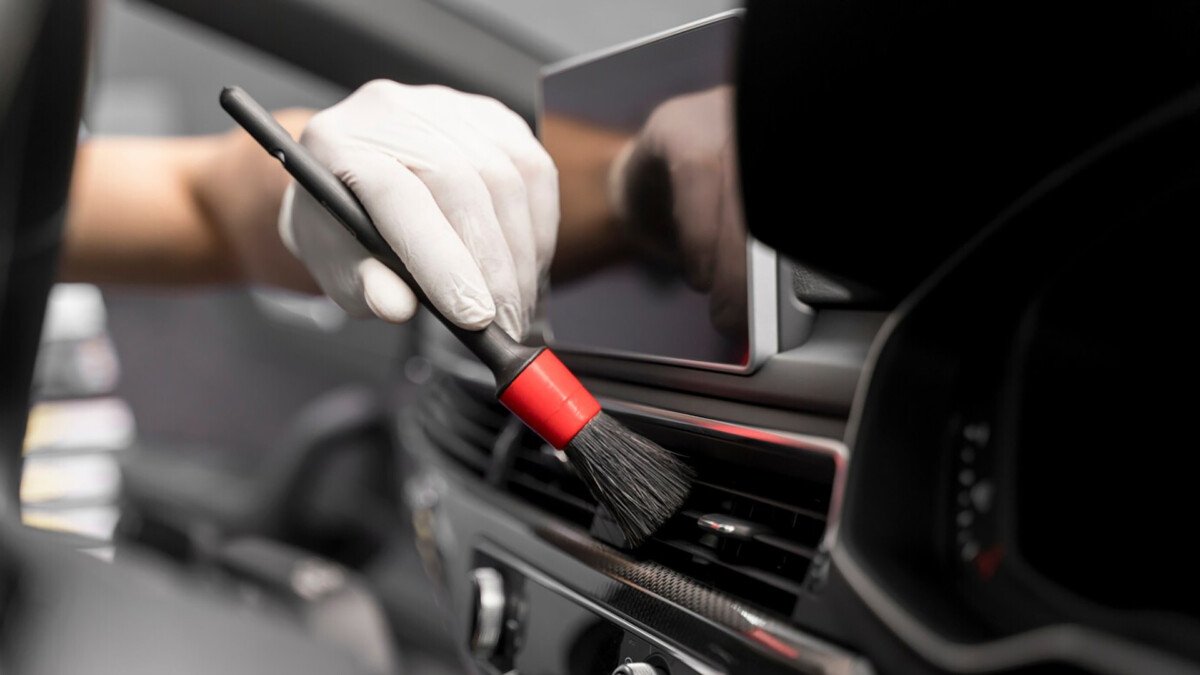
- Cleaning dashboard and trim
- Cleaning interior glass
- Removing dirt from difficult-to-reach areas
- Treating stains and odours
The exact process will depend on the vehicle’s condition and the service you choose.
Engine Bay Cleaning
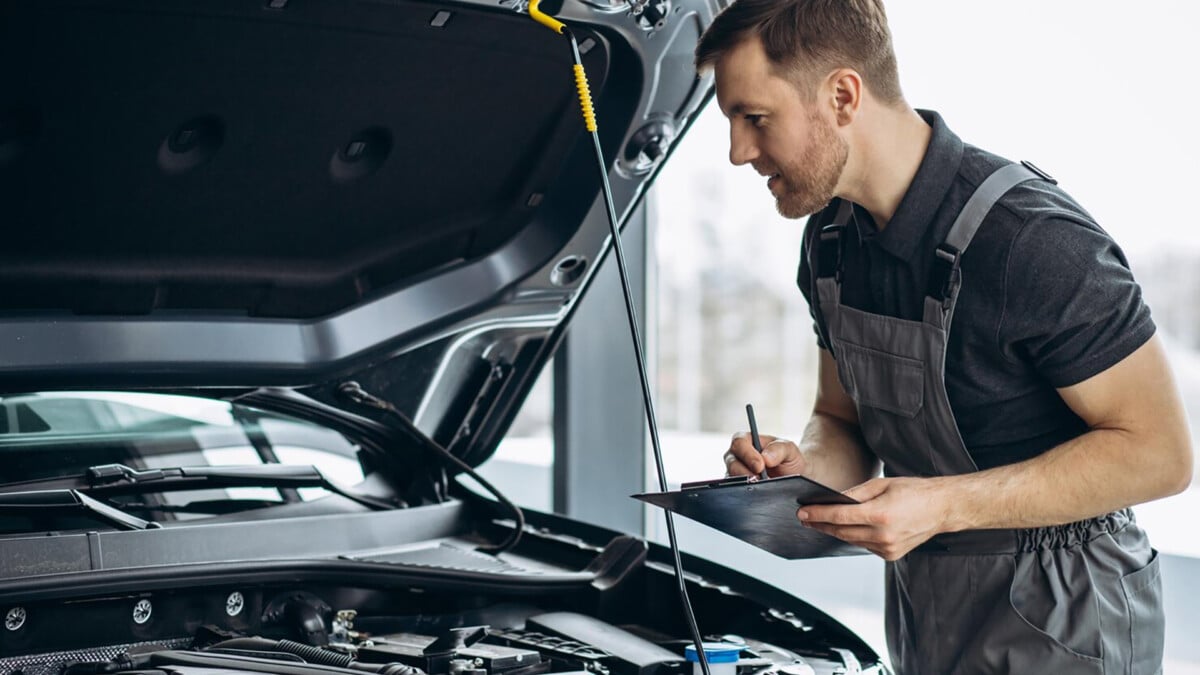
Some detailing services also offer engine bay cleaning.
This generally involves carefully removing dirt, dust and grime from accessible areas rather than simply spraying the entire engine compartment with water.
Extra care is important around electrical components and sensitive areas, so engine bay cleaning is something you should approach cautiously if you’re doing it yourself.
DIY Car Detailing
DIY car detailing is a popular option for enthusiasts and anyone who enjoys looking after their own vehicle.
You don’t need professional equipment to achieve a good result. A careful wash, proper drying technique and suitable protection products can make a significant difference to the appearance of a car.
More advanced DIY work is also possible. Products such as paint cleaners, polishes, sealants and some consumer ceramic coatings are designed for enthusiasts who want to take their car care further.
Pros of DIY Car Detailing
Lower cost – Once you’ve bought the basic equipment, you can use it repeatedly rather than paying for a professional service every time.
Convenient – You can work on the car when you have time and concentrate on the areas that matter most to you.
More control – You choose the products, techniques and level of cleaning rather than relying on somebody else.
Enjoyable for enthusiasts – For many car owners, car detailing is part of the enjoyment of owning a vehicle.
Good for regular maintenance – Regular washing and protection can help prevent dirt and contaminants from building up.
Cons of DIY Car Detailing
It takes time – A thorough detail can take several hours, particularly if the car is heavily soiled or has neglected paintwork.
There is a learning curve – More advanced techniques such as machine polishing require care and practice.
You need suitable equipment – Buckets, wash mitts, drying towels, wheel brushes, polishers and other products can quickly add up.
Mistakes can damage the finish – Poor washing or polishing techniques can introduce scratches or swirl marks. Machine polishing also requires an understanding of how much correction is appropriate for the paint.
How Much Does DIY Car Detailing Cost?
The cost of DIY car detailing depends heavily on how far you want to take it.
A basic setup could include:
- Car shampoo
- Wash mitt
- Microfibre drying towels
- Wheel cleaner and brushes
- Interior cleaner
- Glass cleaner
- Wax or sealant
You can start relatively cheaply and add more equipment over time.
If you want to move into paint correction, machine polishing or ceramic coatings, the investment becomes considerably greater.
The advantage is that many of the products and tools can be reused for future car detailing jobs, so the cost per detail can become much lower than repeatedly paying a professional.
Professional Car Detailing
Professional car detailing is the alternative if you would rather leave the work to an experienced detailer.
Professional services vary considerably. Some businesses offer straightforward interior and exterior detailing, while others specialise in paint correction, ceramic coatings and other advanced treatments.
Professional detailers can also have access to specialist equipment and controlled working environments that may be difficult to replicate at home.
Pros of Professional Car Detailing
Experience and expertise – An experienced detailer should understand how to work with different paint finishes and materials.
Specialist equipment – Professional detailers can use machine polishers, extractors and other equipment that may not be practical for occasional DIY use.
More intensive paint correction – Heavily marked paint may require a multi-stage correction process. This is an area where professional experience can be particularly valuable.
Saves you time – A professional can spend several hours working on the vehicle while you get on with other things.
Access to specialist treatments – Professional detailers may offer ceramic coatings, paint correction and other services that require more preparation or experience.
Autoglym provides professional paint rectification products and equipment for correcting and refining vehicle paintwork, as well as training covering machine polishing and paint correction techniques. You can see its professional paint rectification resources for more information.
Cons of Professional Car Detailing
Higher cost – Professional car detailing can cost considerably more than doing the work yourself.
You need to find a reputable detailer – Quality can vary, so check reviews, examples of previous work and exactly what is included in the package.
Appointments are required – You need to arrange a suitable date and leave the car with the detailer for the required amount of time.
Less control over products – If you have particular preferences for shampoos, coatings or other products, discuss them with the detailer beforehand.
How Much Does Professional Car Detailing Cost?
There isn’t one standard price for professional car detailing.
A basic clean will obviously cost less than a full detail involving paint correction and ceramic coating.
The price can depend on:
- Vehicle size
- Vehicle condition
- Interior condition
- Amount of paint correction required
- Products used
- Time required
- Whether a ceramic coating is included
- Whether additional treatments are required
Rather than choosing a detailer purely on price, compare exactly what each package includes.
A very cheap service may simply provide a thorough clean, while a much more expensive package could involve several stages of paint correction and protection.
What About Ceramic Coatings?
Ceramic coatings have become increasingly popular as part of both DIY and professional car detailing.
A ceramic coating creates a protective layer over the paint and can provide water-repellent properties, easier maintenance and resistance to some environmental contaminants.
However, preparation is extremely important.
Gtechniq recommends thoroughly cleaning and decontaminating the paint before applying a coating, with paint correction recommended where swirl marks or imperfections need to be addressed. Its guide to DIY versus professional ceramic coating explains some of the differences between the two approaches.
DIY ceramic coatings are available, meaning you don’t necessarily need to pay a professional to apply one. However, the application process still needs to be followed carefully, particularly regarding preparation, working conditions and curing.
If the paint already has defects, applying a coating won’t magically remove them. Instead, the coating can effectively preserve the condition of the paint underneath.
For that reason, professional application can make more sense if you want extensive paint correction followed by a premium coating.
DIY vs Professional Car Detailing: Which Is Best?
There isn’t a single answer because it depends on the vehicle and what you want to achieve.
Choose DIY if:
- You enjoy working on your car.
- You want to keep costs down.
- You have somewhere suitable to work.
- You have enough time to do the job properly.
- You mainly want regular cleaning and protection.
- You’re happy to learn new detailing techniques.
DIY car detailing is particularly appealing if you intend to maintain your vehicle regularly rather than paying for a full professional detail every few months.
Choose Professional Detailing if:
- You don’t have the time to detail the car yourself.
- The paint needs significant correction.
- You want a professional ceramic coating.
- The interior needs intensive cleaning.
- You don’t have suitable equipment.
- You want someone experienced to deal with delicate or difficult surfaces.
For heavily neglected vehicles, professional car detailing can also make sense because correcting years of accumulated dirt, staining and paint defects can be considerably more involved than routine maintenance.
How to Get the Best Results From DIY Car Detailing
If you’re going down the DIY route, preparation and technique are just as important as the products you buy.
Start by washing the vehicle thoroughly and work in a shaded area when the paint is cool. Autoglym’s UK technical team recommends avoiding direct sunlight and washing when the paintwork is cool, particularly during hot weather.
Don’t use the same cloth or wash mitt for every part of the car. Keep your wheel-cleaning equipment separate from equipment used on the paintwork.
If you’re going beyond washing and into paint correction, take time to learn the correct technique before using a machine polisher.
It’s also worth remembering that you don’t need to do everything in one day. You can wash and protect the car one weekend and tackle the interior or paintwork another time.
Car Detailing Before Selling Your Vehicle
If you’re planning to sell your car, car detailing can be particularly worthwhile.
A clean interior, clean paintwork and tidy wheels can make your vehicle look much more appealing in photographs and when potential buyers come to view it.
However, don’t spend more on detailing than you’re realistically going to recover through the sale.
For a relatively inexpensive used car, a thorough DIY clean may be all that’s needed. A more valuable vehicle with excellent paintwork could justify professional detailing if you’re trying to present it in the best possible condition.
Good photographs are also important when selling. Our guide on how to take good pictures for a car advert explains how to present your vehicle effectively.
It’s also worth making sure the car is properly prepared before advertising it. Our guide on how to sell a car covers the wider process of preparing and selling your vehicle.
And when you’re ready to sell, you can sell your car through MotorHype completely free of charge.
Final Verdict: DIY or Professional Car Detailing?
Both approaches have their place.
DIY car detailing is the better choice if you enjoy looking after your vehicle, have the time and want to keep costs under control. You can achieve excellent results with the right products and techniques without needing professional equipment for every job.
Professional car detailing makes more sense when you want a deeper transformation, don’t have the time to do the work yourself or need specialist services such as extensive paint correction or professional ceramic coating application.
For most car owners, the best approach may actually be a combination of both. Regular DIY cleaning and maintenance can keep the vehicle in good condition, while a professional detail can be worthwhile when the paint or interior needs more intensive attention.
Whichever route you choose, regular car detailing is a worthwhile part of looking after your vehicle and keeping it looking its best.