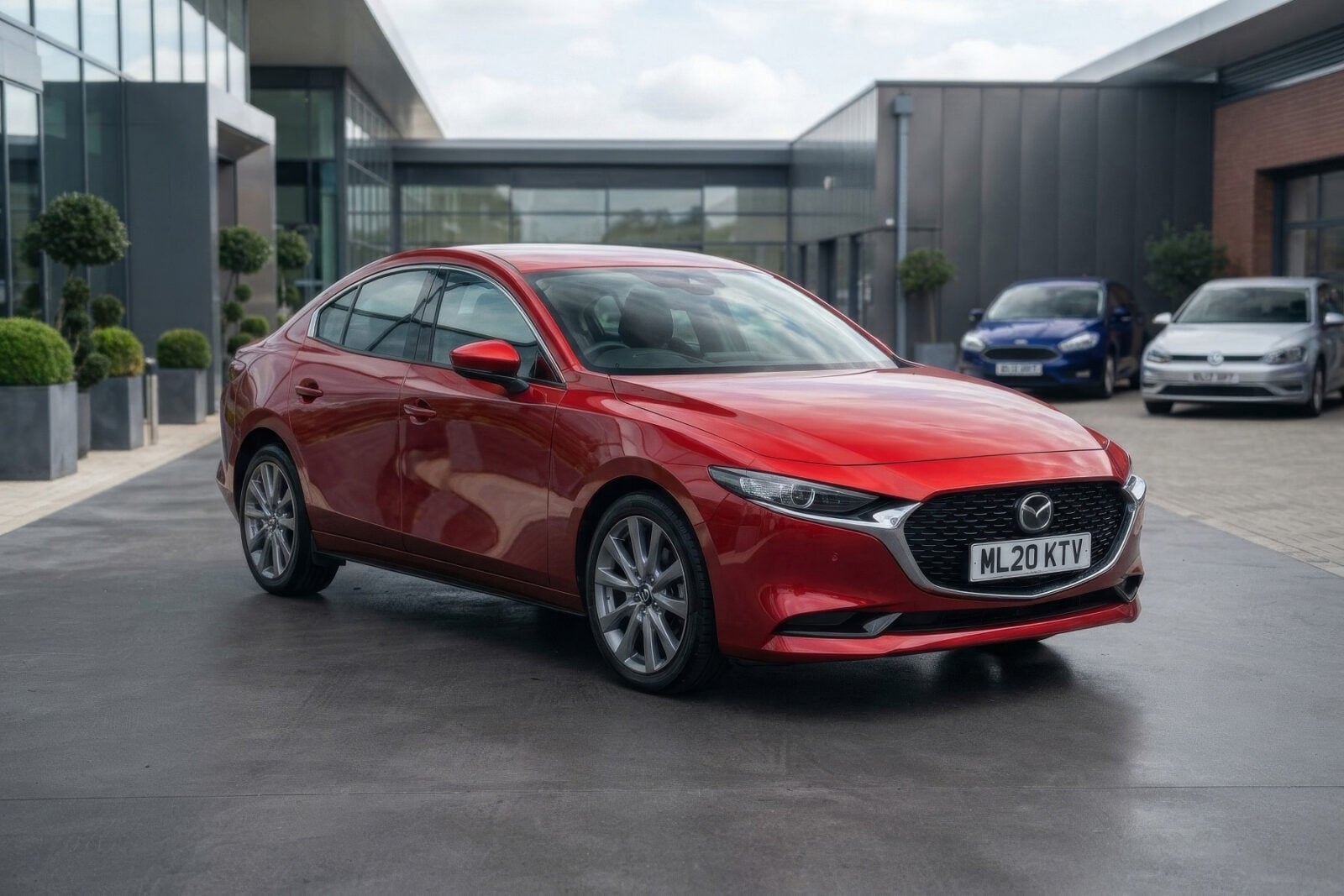
Buying a used car involves more than finding the right price. From checking vehicle history to understanding insurance and running costs, there are several things worth considering before making a decision.
Our practical tips will help you compare used cars for sale, avoid common mistakes and choose a vehicle that suits your needs and budget.
1. Set your real budget
Before buying a used car, consider the total cost of ownership rather than just the advertised price.
- Include running costs such as insurance, road tax, fuel and maintenance.
- Look for affordable used cars with a good maintenance history.
- Consider your finance options if you prefer to spread the cost.
Even when looking for cheap used cars for sale, it’s important to allow for unexpected repairs and ongoing expenses.
2. Think about how you’ll use the car
The right car should suit your everyday needs, driving habits and lifestyle.
- City driving: Consider a compact, economical car that’s easy to park.
- Family use: Look at passenger space, boot capacity and safety features.
- Long journeys: Prioritise comfort, efficiency and motorway performance.
From small hatchbacks to spacious family cars, there are plenty of second hand cars to consider. Think about which features matter most before starting your search.
3. Always check the car’s history
A vehicle might look excellent in photographs, but checking its history can help you identify potential problems before buying.
- Accident and damage history: Check for previous write-offs or significant damage.
- MOT and service records: Look for evidence of regular maintenance and previous advisories.
- Mileage and ownership: Check that the recorded mileage and vehicle details are consistent.
Check a car’s history here to help make a more informed decision before purchasing.
4. Get car insurance sorted early
Insurance premiums can vary considerably between vehicles, so it’s worth comparing quotes before making a purchase.
- Check insurance groups: Different makes and models can have different insurance costs.
- Compare quotes: Explore policies from different providers.
- Consider your circumstances: Your age, driving history and location can affect premiums.
Compare car insurance quotes here to explore suitable cover for your next used car.
5. Temporary car insurance for short-term use
If you only need insurance for a limited period, temporary car insurance could be a convenient option.
- Flexible durations: Cover may be available for anything from a few hours to several days or longer, depending on the provider.
- Short-term protection: Useful when you don’t need an annual policy.
- Practical uses: Consider temporary cover for collecting a vehicle, borrowing a car or taking a test drive where appropriate.
Explore temporary car insurance here to check available options, eligibility and cover.
6. Don’t forget breakdown cover
Even well-maintained used cars can develop unexpected problems. Breakdown cover can provide assistance if your vehicle lets you down.
- Roadside assistance: Help if your vehicle breaks down away from home.
- Vehicle recovery: Additional support if your car cannot be repaired at the roadside.
- Additional protection: Some policies include home assistance or onward travel.
Compare breakdown cover options here to find a suitable level of protection for your needs.
7. Understand your car finance options
If you’re considering financing a used car, it’s important to understand the different agreements and their overall costs.
- Hire Purchase (HP): Spread payments over an agreed period, with ownership normally transferring after all required payments and fees have been made.
- Personal Contract Purchase (PCP): Typically offers lower monthly payments than comparable HP arrangements, with an optional final payment if you want to own the car.
- Compare total costs: Check interest rates, APR, deposit requirements, fees and the total amount payable.
Explore car finance options here to learn more about available finance arrangements and their requirements.
8. Consider GAP insurance
GAP insurance is an optional type of cover designed to help protect against certain financial shortfalls if your vehicle is written off or stolen.
- Financial shortfalls: Depending on the policy, GAP insurance may cover the difference between your motor insurer’s settlement and an eligible amount.
- Finance agreements: Certain policies may be useful where outstanding finance exceeds the insurance settlement.
- Different policy types: Options may include Finance GAP and Return to Invoice cover, subject to policy terms and eligibility.
GAP insurance isn’t suitable or necessary for everyone. Consider the vehicle’s value, your financial circumstances and any existing protection before purchasing.
Explore GAP insurance options here to understand the available cover and exclusions.
9. Compare similar models on MotorHype
Before committing to a vehicle, compare similar used cars for sale to get a better understanding of available options and asking prices.
- Browse comparable adverts: Look at vehicles with similar specifications and features.
- Compare condition and mileage: Consider age, service history, ownership and overall condition.
- Research asking prices: Use comparable listings to help assess whether a vehicle represents reasonable value.
MotorHype lets you explore used cars from private sellers and dealerships across the UK, helping you compare available vehicles before contacting a seller.
Frequently asked questions about buying used cars
Are cheap used cars reliable?
Many affordable used cars can provide reliable transport when properly maintained. Check the vehicle’s service history, MOT records and overall condition, and consider an independent inspection before buying.
What’s the best way to find second hand cars for sale?
Start by deciding on your budget and the type of vehicle you need. Use MotorHype’s search filters to browse used cars for sale by make, model, price and location, then compare suitable listings before arranging a viewing.
Can I buy used cars online safely?
Yes, but it’s important to take precautions. Check the vehicle’s history, verify the seller’s details, inspect the car before purchasing and use a secure payment method. Be cautious of suspicious adverts or requests for unusual payments.
Do I need GAP insurance on a cheap used car?
Not necessarily. GAP insurance is optional and may be more relevant in certain circumstances, particularly where a significant financial shortfall could arise after an insurance write-off. Consider the policy cost, exclusions and potential benefits before deciding.
How do I find cheap used cars for sale near me?
Use MotorHype’s location and price filters to find affordable used cars in your preferred area. You can also narrow your search by make, model and other vehicle features.
What’s the difference between used cars and second hand cars?
There is no difference. Both terms describe vehicles that have had a previous owner. Whether you’re searching for used cars or second hand cars for sale, you can browse available listings on MotorHype.
Ready to find your next used car?
Whether you’re looking for an affordable first car, a practical family vehicle or something more luxurious, MotorHype makes it easy to explore used cars for sale across the UK.
Browse available vehicles, compare prices and specifications, and contact private sellers or dealerships directly. Start your search today and find a used car that suits your lifestyle and budget.